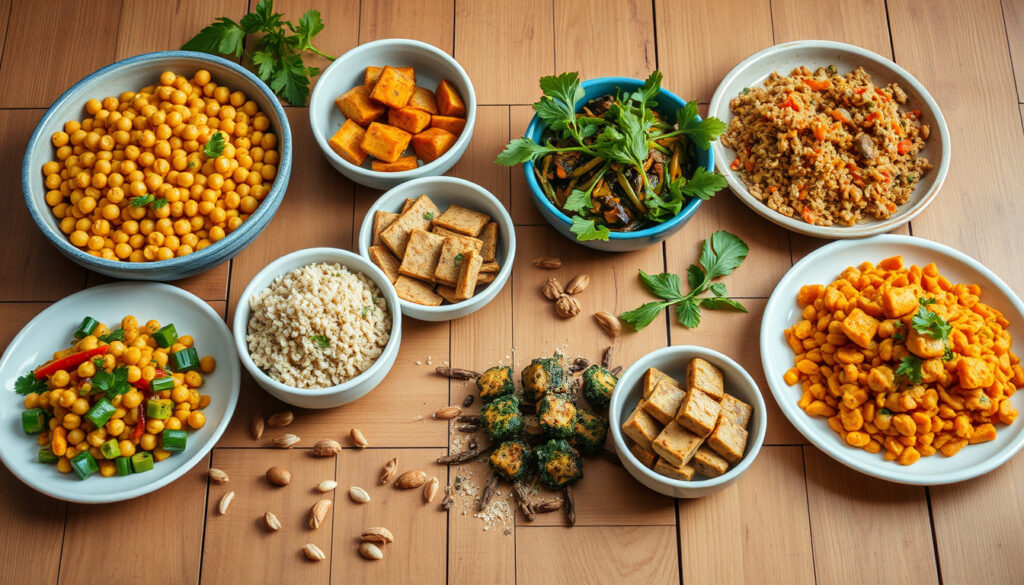
Vegetarian Protein-Packed Meals – Easy Recipes for 20-30g Protein
Meeting daily protein targets without meat requires thoughtful meal planning, but the variety of plant-based options available today makes it entirely achievable. From protein-rich breakfasts to satisfying dinners, vegetarian protein-packed meals can deliver 20 to 30 grams of protein per serving while supporting goals ranging from muscle building to weight management.
The key lies in understanding which plant foods offer the highest protein content and how to combine complementary protein sources. Lentils, quinoa, tofu, and tempeh form the foundation of many high-protein vegetarian meals, while dairy and egg options provide additional flexibility for lacto-ovo vegetarians.
This guide explores the best vegetarian protein sources, practical meal ideas that take 30 minutes or less to prepare, and batch-cooking strategies for busy lifestyles. Whether building muscle, managing weight, or simply meeting daily nutritional needs, these recipes and planning approaches offer actionable solutions.
What Are the Best Vegetarian Protein Sources?
Selecting the right protein sources forms the foundation of any high-protein vegetarian diet. Whole food options provide not only substantial protein content but also fiber, vitamins, and minerals that support overall health.
Lentils, Quinoa, Tempeh, Tofu, Eggs
20-40g per meal for optimal benefits
Breakfast, Lunch, Dinner, Snacks
Satiety, Muscle Support, Weight Management
Plant-based proteins fall into two categories: complete proteins that contain all nine essential amino acids, and incomplete proteins that require pairing with other foods. Quinoa and soy products like tofu and tempeh stand out as complete plant proteins, while beans and grains complement each other when combined in meals.
Key insights from nutritional research:
- Complete proteins like quinoa alone provide all essential amino acids in a single food source.
- Complementary pairing—beans with grains—creates complete proteins without requiring animal products.
- Tempeh offers 16g protein per 3oz serving and contains probiotics from fermentation that aid digestion.
- Tofu delivers approximately 20g protein per cup with minimal calories, making it ideal for weight management.
- Legumes combined with whole grains maximize both protein content and fiber intake.
- Eggs and dairy remain valuable options for lacto-ovo vegetarians seeking quick protein delivery.
- Budget-friendly proteins like canned beans and lentils provide excellent nutrition under $5 per serving.
Research indicates that combining incomplete proteins—such as beans and rice—creates a complete amino acid profile comparable to animal protein sources.
| Food Source | Protein (per serving) | Calories | Notes |
|---|---|---|---|
| Tofu (1 cup) | 20g | ~200 | Complete protein, versatile for multiple dishes |
| Tempeh (3oz) | 16g | 140 | Fermented, easier to digest than tofu |
| Black beans (1 can) | 21g | ~350 | Budget-friendly, high fiber |
| Quinoa (1 cup cooked) | 8g | ~220 | Complete protein grain |
| Lentils (½ cup) | 9g | ~115 | High fiber, quick cooking |
| Chickpeas (½ cup) | 7g | ~135 | Versatile for salads, curries, snacks |
| Edamame (½ cup) | 9g | ~95 | Quick to prepare, tasty steamed |
| Eggs (2 large) | 12-14g | ~140 | Quick protein, add vegetables for 20g+ |
| Greek yogurt (1 cup) | 15-20g | ~130 | High protein dairy option |
| Halloumi (3oz) | 18g | ~300 | Grills well, pairs with legumes |
What Are High Protein Vegetarian Meal Ideas?
Translating protein sources into satisfying meals requires understanding portion sizes and complementary ingredients. The following meal categories demonstrate how to construct breakfasts, lunches, and dinners that consistently deliver 20 or more grams of protein per serving.
Easy Dinners Under 30 Minutes
One-pot meals and skillets streamline dinner preparation while maximizing protein content. These options combine pantry staples with fresh ingredients for balanced nutrition without extensive cooking time.
The Smoky Black-Bean and Quinoa Skillet delivers 26 grams of protein in a single pan, with black beans providing fiber alongside the protein punch. Substituting quinoa for rice increases the complete protein profile while keeping carbohydrates moderate.
For those seeking lower-carb alternatives, swapping grain bases for extra vegetables maintains protein levels while reducing overall carbohydrate content. Zucchini noodles, cauliflower rice, and leafy greens complement high-protein ingredients without adding excessive calories.
| Recipe | Protein (g) | Calories | Key Ingredients |
|---|---|---|---|
| Smoky Black-Bean and Quinoa Skillet | 26 | 460 | Black beans, quinoa, tomatoes |
| Greek Halloumi and Chickpea Salad | 24 | 420 | Halloumi, chickpeas, cucumber |
| Red Lentil Pasta Arrabbiata | 28 | 500 | Red-lentil penne, spicy tomato sauce |
| Paneer Matar Stir-Fry | 27 | 480 | Paneer, peas, tomatoes |
| One-Pot Farro Chili | 26 | 470 | Farro, kidney beans |
| Crispy Chickpea and Halloumi Bowl | 20+ | Varies | Chickpeas, halloumi, vegetables |
High-Protein Breakfasts and Snacks
Morning meals set the tone for daily protein intake. Baked egg muffins provide 17 to 20 grams of protein per serving and store well in the refrigerator for four days, making them ideal for busy mornings. Adding cheese or black beans increases the protein content further.
Plant-based breakfast options include tempeh lettuce wraps and sheet pan preparations that roast edamame with stir-fry seasonings. These alternatives work equally well as midday snacks or light dinners.
Batch-cooked breakfast items like egg muffins maintain quality for four days refrigerated, while dinner preparations such as chilies and curries last five to six days and freeze successfully for two to three months.
How to Get Enough Protein on a Vegetarian Diet?
Meeting protein requirements on a vegetarian diet involves understanding both quantity and quality. Current nutritional guidelines suggest 0.8 grams of protein per kilogram of body weight for sedentary adults, though active individuals and those building muscle may require 1.2 to 2.2 grams per kilogram.
Calculating Daily Protein Needs
For a 150-pound adult, baseline protein needs translate to approximately 55 grams daily. Athletes or those pursuing muscle building goals may target 100 to 150 grams, which requires distributing 20 to 30 grams across multiple meals throughout the day. Understanding these nutritional needs helps tailor meal planning to individual goals.
Research from the Academy of Nutrition and Dietetics confirms that properly planned vegetarian diets adequately meet protein needs at all life stages, including pregnancy, lactation, infancy, childhood, and adolescence.
Building Complete Proteins from Plant Sources
Plant proteins lack one or more essential amino acids when consumed alone, but combining complementary sources creates complete amino acid profiles. Traditional food pairings like beans with rice, hummus with pita, and lentil soup with bread achieve this balance naturally.
Pairing incomplete proteins—such as beans and grains—creates meals with full amino acid profiles. Quinoa stands apart as a plant food that provides complete protein without requiring complementary sources.
Can Vegetarians Build Muscle with High Protein Meals?
Athletes following vegetarian and vegan diets demonstrate that muscle building remains entirely achievable through plant-based nutrition. The key factors involve consuming sufficient total protein and distributing intake strategically across the day, with 20 to 30 grams per meal supporting muscle protein synthesis.
Studies indicate that plant protein sources effectively support muscle development when total daily intake meets or exceeds requirements. Timing protein consumption around resistance training optimizes the muscle-building response.
Easy High Protein Vegetarian Recipes for Beginners
Newcomers to vegetarian cooking benefit from straightforward recipes requiring minimal technique and common ingredients. These beginner-friendly options emphasize pantry staples and basic cooking methods that produce satisfying results without extensive experience.
One-Pan Wonders
The 20-Minute Green Pasta with Tofu Sauce demonstrates how blending silken tofu with spinach creates a creamy, protein-rich sauce in minutes. This approach requires only basic equipment and produces restaurant-quality results.
Salt and Pepper Tofu offers a simple introduction to cooking with tofu. Pressing, cubing, and pan-frying with basic seasonings produces crispy, flavorful results that work as a main dish or salad topping.
Slow-Cooker and Set-It-And-Forget-It Meals
Appliances like slow cookers and Instant Pots simplify vegetarian protein meal preparation. The Slow-Cooker Lentil Bolognese yields eight servings at 19 grams of protein each, providing a week’s worth of pasta sauce from a single cooking session.
Dump-and-cook recipes require only measuring ingredients into the pot, setting the timer, and returning to a completed meal. These approaches suit busy schedules while ensuring consistent protein intake throughout the week. Incorporating meal preparation tips into weekly routines helps maintain these habits long-term.
Canned beans, dried lentils, and pantry staples keep costs under $5 per serving. Buying in bulk and preparing large batches further reduces expenses while building a foundation of protein-rich meals.
Vegetarian Protein Meal Prep Ideas
Strategic meal preparation transforms protein-focused eating from daily decision-making into an automated routine. Batch cooking on a single day produces multiple meals that sustain nutritional goals throughout the week without repeated cooking efforts.
Batch-Cooked Protein Bases
Preparing large quantities of grains, legumes, and proteins at the week’s start creates flexible building blocks for varied meals. Quinoa, farro, and brown rice serve as foundations for grain bowls, while roasted chickpeas and pan-fried tofu add texture and protein to multiple dishes. Preparing large quantities of grains, legumes, and proteins at the week’s start creates flexible building blocks for varied meals, and if you’re curious about other kitchen conversions, here’s how many tablespoons are in a cup how many tablespoons in a cup.
| Meal Prep Recipe | Protein (g) | Servings | Storage |
|---|---|---|---|
| Slow-Cooker Lentil Bolognese | 19 | 8 | Refrigerator 5 days, Freeze 3 months |
| Cottage-Cheese Enchilada Casserole | 26 | 6 | Refrigerator 4 days, Freeze 3 months |
| Thai Peanut Chickpea Curry | 20 | 8 | Refrigerator 5 days, Freeze 3 months |
| Mediterranean Farro Power Bowls | 22 | 6 | Refrigerator 4 days |
| 3-Bean Vegetarian Chili | 25 | Multiple | Crockpot compatible, freezes well |
| White Bean Soup (Slow-Cooker) | 20+ | Multiple | Minimal chopping required |
| Chickpea and Quinoa Stew | 20+ | Multiple | Instant Pot or slow-cooker ready |
Low-Calorie High Protein Options
Weight management goals pair effectively with high-protein vegetarian eating. The fiber content of beans, lentils, and whole grains promotes satiety while keeping calorie counts moderate, typically between 400 and 500 per serving.
Reducing pasta and bread while increasing vegetable volume creates lower-carbohydrate versions of favorite dishes. Swapping traditional noodles for zucchini noodles or cauliflower rice maintains satisfaction while significantly cutting carbohydrate content.
Refrigerated meal prep items remain safe for four to six days. Frozen preparations maintain quality for two to three months. Label containers with preparation dates to track freshness and prevent spoilage.
The Science Behind Vegetarian Protein Nutrition
Understanding protein digestion and absorption helps optimize vegetarian meal planning. Plant proteins generally have lower digestibility than animal proteins, meaning the body absorbs a smaller percentage of the protein consumed.
Fermented soy products like tempeh offer improved digestibility compared to unfermented tofu. The fermentation process breaks down antinutrients and produces beneficial bacteria that support gut health.
Research from nutrition science organizations indicates that combining protein sources throughout the day adequately meets amino acid requirements for most healthy adults, even without consuming complete proteins at every meal.
Understanding Protein Completeness in Vegetarian Diets
Some aspects of vegetarian protein nutrition are well-established, while others continue to receive scientific attention.
| Established Information | Ongoing Research Areas |
|---|---|
| Eggs and tofu provide high-quality complete proteins with established amino acid profiles. | Long-term muscle building outcomes without animal protein require further study. |
| Combining beans with grains creates complete amino acid profiles. | Optimal protein timing for plant-based athletes continues to be refined. |
| Greek yogurt and dairy products offer concentrated protein sources for lacto-vegetarians. | Individual variations in plant protein digestion warrant personalized approaches. |
Context: Why Protein Matters for Vegetarian Diets
Protein serves essential functions throughout the body, from building and repairing tissues to producing enzymes and hormones. For vegetarians, prioritizing protein intake ensures these physiological processes continue without interruption.
Vegetarians often experience improved health outcomes when protein intake remains consistent, including better weight management, maintained muscle mass during aging, and stable energy levels throughout the day.
The World Health Organization provides guidelines on nutrient requirements that apply across dietary patterns, emphasizing the importance of adequate protein from whatever food sources suit individual preferences and tolerances.
Finding Reliable Vegetarian Protein Information
Credible sources for vegetarian protein information include peer-reviewed journals, registered dietitian organizations, and government nutrition databases. The USDA FoodData Central provides verified protein content for thousands of foods, enabling accurate meal planning.
“A well-planned vegetarian diet can meet current recommendations for all nutrients, including protein.”
— Academy of Nutrition and Dietetics Position Paper on Vegetarian Diets
Summary
Vegetarian protein-packed meals support diverse health goals through strategic food selection and preparation. Plant-based sources like tofu, tempeh, lentils, and quinoa provide substantial protein content, while combining complementary proteins ensures complete amino acid profiles. For more High-Protein Vegetarian Recipes and meal planning inspiration, explore dedicated recipe collections that emphasize whole foods and simple preparation methods.
Frequently Asked Questions
How much protein do vegetarians need daily?
Adults generally require 0.8 grams of protein per kilogram of body weight. Active individuals may need 1.2 to 2.2 grams per kilogram depending on fitness goals.
Can vegetarians build muscle effectively?
Yes. Research confirms that vegetarian athletes build muscle successfully by consuming adequate total protein—20 to 30 grams per meal—and combining complementary protein sources throughout the day.
What vegetarian foods contain the most protein per serving?
Tofu, tempeh, lentils, and beans offer the highest protein content among plant foods. Greek yogurt and eggs provide concentrated protein for lacto-ovo vegetarians.
Are there vegetarian meals with 20 grams of protein?
Yes. Many vegetarian recipes deliver 20 grams or more per serving, including quinoa bowls, bean chilies, and tofu stir-fries.
How do vegetarians get complete proteins?
Quinoa, soy products, and dairy or eggs provide complete proteins. Combining incomplete proteins—beans with grains, for example—creates complete amino acid profiles in a single meal.
What are quick high-protein vegetarian dinner options?
One-pot meals like black bean and quinoa skillets, chickpea curries, and pasta with tofu sauce take 20 to 30 minutes and deliver 20 or more grams of protein per serving.
How should vegetarians meal prep for high protein intake?
Batch cooking grains, roasting chickpeas, and preparing tofu at the week’s start creates building blocks for varied high-protein meals throughout the week.
More related posts
 Marks & Spencer Ireland Online: Status, Delivery & Discounts
 Currency Exchange Rates Table: How to Read It Clearly
 84 kg in Stone: Accurate Conversion to Stones and Pounds
 Pirates of the Caribbean 1: Curse of the Black Pearl Guide
 West Ham vs Tottenham Timeline: Head-to-Head Record
 Months of the Year in Irish: Names, Pronunciations & Meanings
 How to Stop Grinding Teeth in Sleep: Causes, Remedies & Treatment
 irelandpoint.org: Nordic betting guides, odds literacy and responsible play
