How to Stop Grinding Teeth in Sleep: Causes, Remedies & Treatment
You wake up with a sore jaw, a dull headache, and the vague sense that your teeth spent the night doing something they shouldn’t. Sleep bruxism affects millions, and this article explains the evidence-based causes — from stress to vitamin deficiencies — and what you can do about it.
Primary cause: Stress and anxiety (IAPD consensus recommendations) · Pediatric outlook: Often outgrown by adolescence (Sleep Foundation) · First-line treatment: Sleep hygiene and conservative care (PMC review)
Quick snapshot
- Involuntary clenching or grinding during sleep (IAPD) (PMC review)
- Classified as a sleep-related movement disorder (IAPD) (PMC review)
- Affects 8-10% of adults, higher in children (PMC review)
- Stress and anxiety (IAPD) (Pediatric bruxism review)
- Sleep disorders (apnea, snoring) (Pediatric bruxism review)
- Vitamin deficiencies (magnesium, calcium) (PMC review) (Pediatric bruxism review)
- ADHD and neurodevelopmental conditions (PMC review: Bruxism in children with ADHD)
- Mouthguards and occlusal splints (IAPD) (Sleep Foundation)
- Stress management and cognitive-behavioural therapy (PMC review) (Sleep Foundation)
- Sleep hygiene improvements (PMC review) (Sleep Foundation)
- Medical referral for underlying causes (Sleep Foundation)
- Children often outgrow bruxism by adolescence (Sleep Foundation)
- Adults may need long-term management (IAPD)
- Toddlers: usually temporary, monitor for pain (Sleep Foundation)
Five key facts, one pattern: the evidence consistently points to a mix of neuromuscular, psychological, and sleep-related factors. Here’s a quick-reference table.
| Fact | Value |
|---|---|
| Prevalence in adults | 8-10% of the general population (PMC review) |
| Prevalence in children | 15-30% of children experience sleep bruxism (PMC review) |
| Gender ratio | Equal among children; adults show slight male predominance (IAPD) |
| Primary cause | Stress and anxiety (most commonly cited) (IAPD) |
| Link to ADHD | 30-40% of individuals with ADHD report bruxism (PMC review: Bruxism in children with ADHD) |
How do I stop grinding my teeth at night?
Natural remedies for sleep bruxism
- Practice relaxation exercises and take a warm bath before bed to reduce nighttime clenching (Sleep Foundation).
- Avoid caffeine and alcohol in the evening (PMC review).
- Improve sleep hygiene — keep the room dark, quiet, and limit screen time before bed (Sleep Foundation).
- Apply a warm compress to the jaw muscles to relieve tension (Sleep Foundation).
For children, the first step is always conservative: focus on sleep habits and stress reduction before reaching for a dental appliance (PMC review).
Nightguards and dental appliances
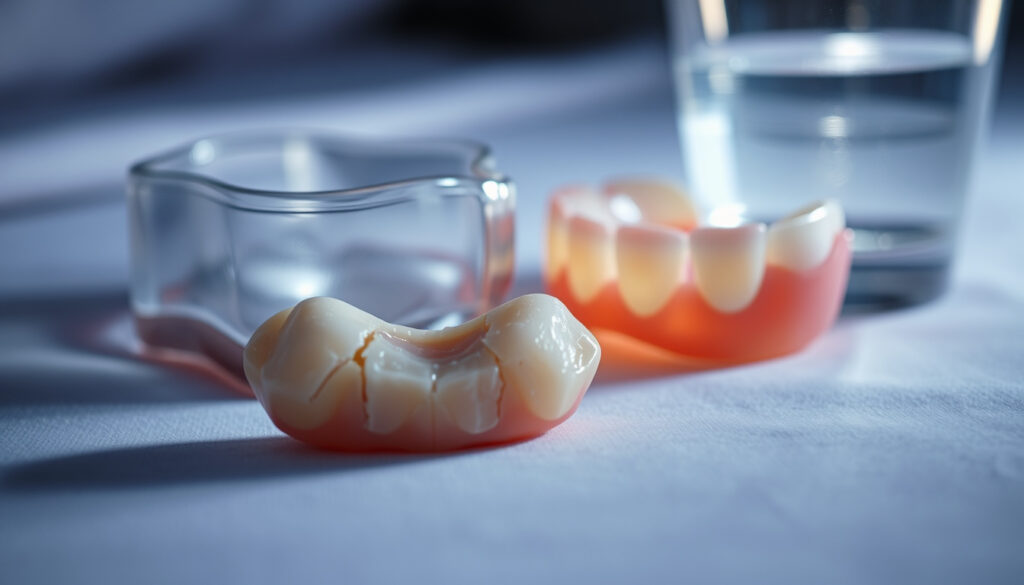
- Mouthguards prevent tooth damage but do not cure bruxism (IAPD).
- Occlusal splints are a common first-line dental intervention, especially for adults (IAPD).
- For children, the IAPD recommends individualized management that may include a splint, rapid palatal expansion, or no active treatment (IAPD).
A nightguard protects your teeth, but it’s a band-aid, not a cure. The real work lies in addressing the underlying triggers — stress, sleep quality, and nutrient gaps.
The implication: lasting relief requires more than a mouthguard — it demands a comprehensive approach to the root causes.
When to see a doctor
- If you wake with persistent jaw pain, headaches, or worn-down teeth, consult a dentist or sleep specialist (Sleep Foundation).
- For children, a pediatrician should evaluate if grinding is accompanied by snoring, mouth breathing, or ADHD symptoms (PMC review: Bruxism in children with ADHD).
- Severe cases may require referral to a sleep clinic for polysomnography (Pediatric bruxism review).
Bottom line: Start with sleep hygiene and stress management. If damage is visible, add a nightguard. For children, monitor and treat conservatively — most outgrow it without intervention.
What vitamin are you lacking if you grind your teeth?
Magnesium deficiency and muscle tension
- Low magnesium is associated with increased muscle hyperexcitability, which may contribute to nocturnal clenching (PMC review).
- Some studies suggest magnesium supplementation can reduce bruxism symptoms, but the evidence is limited and conflicting (PMC review).
Calcium and vitamin D roles
- Vitamin D deficiency has been linked to muscle pain and bruxism, though the exact mechanism remains unclear (PMC review).
- Calcium works with magnesium for muscle relaxation; imbalances could theoretically worsen clenching (PMC review).
Vitamin B5 and stress connection
- Vitamin B5 (pantothenic acid) supports adrenal function and stress response, but direct evidence linking it to bruxism is absent (PMC review).
- Overall, the research on vitamin supplementation for bruxism is thin — most experts recommend a balanced diet over pills (Sleep Foundation).
Bottom line: Magnesium and vitamin D deficiencies are plausible contributors, but supplementation is not a proven cure. Get your levels checked before buying bottles.
Is teeth grinding an ADHD thing?
Prevalence of bruxism in ADHD children
- Studies show elevated bruxism rates in ADHD populations, with estimates ranging from 30-40% (PMC review: Bruxism in children with ADHD).
- Children with ADHD are more likely to experience sleep disorders, and bruxism often co-occurs with restless sleep (PMC review: Bruxism in children with ADHD).
Dopamine regulation and oral motor activity
- ADHD involves dysregulation of dopamine, which affects motor control and may contribute to involuntary oral movements (PMC review: Bruxism in children with ADHD).
- Stimulant medications used for ADHD can also increase the risk of bruxism as a side effect (PMC review: Bruxism in children with ADHD).
Distinguishing from stimming
- Stimming (self-stimulatory behavior) is intentional and repetitive, whereas sleep bruxism is unconscious and occurs during sleep (PMC review: Bruxism in children with ADHD).
- However, bruxism may serve a self-regulatory function for some individuals with ADHD, blurring the line (PMC review: Bruxism in children with ADHD).
The causal direction between ADHD and bruxism is still unclear. What is clear: any child with ADHD who grinds teeth should be evaluated for sleep disorders and medication side effects.
What this means: a multidisciplinary approach — combining behavioural therapy, medication review, and dental care — is often necessary for children with ADHD who grind their teeth.
What does grinding teeth in sleep indicate?
Stress and anxiety as primary drivers
- Stress is the most common cause according to the IAPD and NHS (IAPD).
- Anxiety, depression, and psychosocial factors are frequently associated with childhood bruxism (Pediatric bruxism review).
Sleep disorders (apnea, snoring)
- Sleep apnea is a known comorbidity — breathing interruptions can trigger arousal and grinding (Pediatric bruxism review).
- Snoring and mouth breathing increase nocturnal muscle activity in children with bruxism (Pediatric bruxism review).
Medication side effects
- Certain antidepressants (SSRIs) and antipsychotics can induce or worsen bruxism (PMC review: Bruxism in children with ADHD).
- If grinding started after a new medication, discuss with your doctor before stopping the drug (IAPD).
Bottom line: Grinding is a signal, not a disease. It can point to stress, a sleep disorder, or a medication side effect. The underlying cause determines the treatment.
How to stop grinding teeth in sleep naturally and for different ages?
Home remedies for adults
- Relaxation exercises and warm baths help reduce nighttime clenching (Sleep Foundation).
- Avoiding caffeine and alcohol in the evening lowers the risk of grinding (PMC review).
- Jaw exercises and massages can relieve muscle tension before sleep (Sleep Foundation).
Approaches for toddlers and children
- Children often outgrow bruxism by adolescence, so treatment is usually conservative (Sleep Foundation).
- Focus on sleep hygiene: dark room, quiet environment, limit electronics before bed (Sleep Foundation).
- A nutritious diet low in added sugars supports sleep quality (Sleep Foundation).
- If grinding persists with pain or tooth wear, a pediatric dentist may recommend a simple occlusal splint (IAPD).
When natural methods are insufficient
- Severe cases require professional intervention — a dentist, sleep specialist, or therapist (Sleep Foundation).
- For children with ADHD, multidisciplinary care combining behavioural therapy, medication adjustments, and dental appliances may be needed (PMC review: Bruxism in children with ADHD).
- The IAPD emphasizes that pharmacological management in children is not supported by evidence (IAPD).
“Sleep bruxism is a sleep-related movement disorder that involves rhythmic or non-rhythmic masticatory muscle activity.”
— IAPD Consensus Recommendations (source)
“Conservative treatments based on diagnosis, management of sleep bruxism risk factors, and sleep hygiene appear to be the first-choice therapy in children and adolescents.”
— PMC Review (source)
For adults who grind their teeth, the choice is clear: invest in a nightguard to protect your teeth, but don’t stop there. Address the stress, review your medications, and get a sleep study if you snore. For children, patience and sleep hygiene usually win the day — most will outgrow it without any dental work.
Bottom line: Tailor the approach to the individual’s age and underlying causes. Adults need a comprehensive plan, while children often respond well to conservative care and time.
pmc.ncbi.nlm.nih.gov, addrc.org, sciencedirect.com, kidssmilesdental.com, medcraveonline.com, pmc.ncbi.nlm.nih.gov, pittsfordpediatricdentistry.com, oss.jocpd.com
Frequently asked questions
Can teeth grinding cause permanent damage?
Yes — chronic grinding can wear down enamel, cause tooth fractures, and lead to temporomandibular joint disorders (Sleep Foundation).
Is bruxism more common in children or adults?
Children — 15-30% of children experience sleep bruxism, compared to 8-10% of adults (PMC review).
What is the best mouthguard for night grinding?
A custom-fitted occlusal splint from a dentist is most effective and comfortable (IAPD).
Can stress alone cause teeth grinding?
Stress is the most commonly cited cause according to the IAPD and the NHS (IAPD).
How long does it take to stop grinding teeth with treatment?
It depends on the cause. Stress-related bruxism may improve within weeks of stress management; structural causes may require ongoing use of a nightguard (Sleep Foundation).
Does alcohol make teeth grinding worse?
Yes — alcohol can increase nighttime grinding frequency and severity (PMC review).
Are there exercises to relax the jaw before sleep?
Gentle jaw stretches, massaging the masseter muscles, and applying a warm compress can help relax the jaw (Sleep Foundation).
More related posts
 Chinese Sweet and Sour Chicken Near Me: Best Ireland Spots
 Find My Phone Google – Locate Ring Lock or Erase Android
 Power City Near Me: Store Locator & Hours (2025)
 Paddy Power Racing Results Today Live Updates
 How to Set Up Google Authenticator on New Phone – Step-by-Step Transfer Guide
 Nike Tiempo Legend 10 Review: Elite vs Pro
 What Is Dubai Chocolate? Ingredients, Price & Where to Buy
