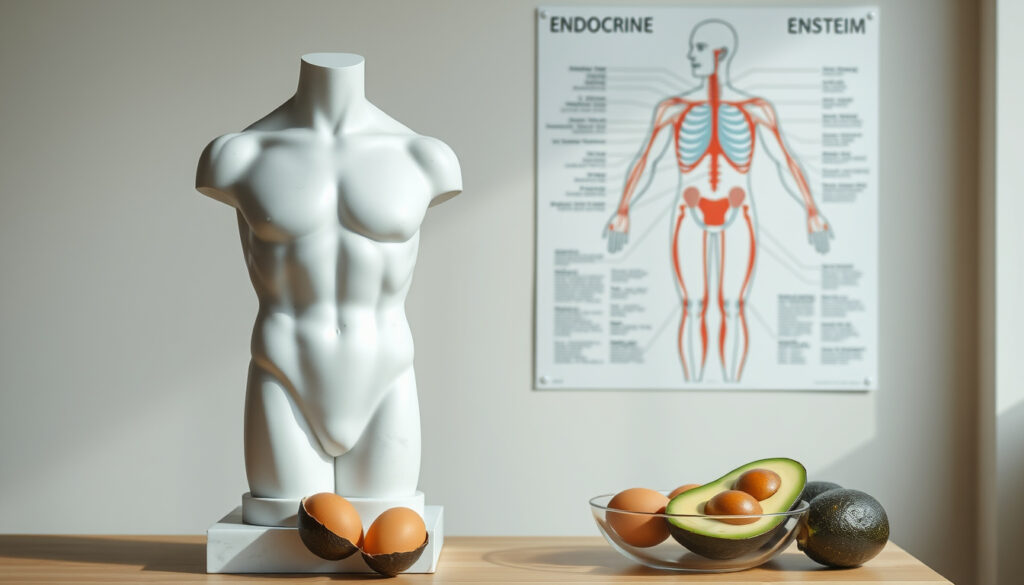
How to Increase Testosterone Levels: Science-Backed Guide
Anyone who’s ever dragged through a sluggish afternoon or watched their old gym strength slip away has probably wondered: is my testosterone okay? The truth is, testosterone levels naturally decline about 1% per year after age 30, but that doesn’t mean you’re powerless.
Men with low testosterone in the U.S.: Approximately 2 in 100 men aged 40–79 ·
Common symptoms of low testosterone: Reduced libido, fatigue, erectile dysfunction, low mood ·
Lifestyle changes that can raise testosterone: Weight loss, resistance exercise, improved sleep ·
Average testosterone decline with age: About 1% per year after age 30
Quick snapshot
- Losing weight can raise testosterone by up to 30% in overweight men (Harvard Health Publishing (trusted medical publisher))
- Resistance training with heavy compound lifts boosts both short-term and long-term testosterone (Harvard Health Publishing)
- Sleep restriction to 5 hours per night reduces testosterone by 10–15% in young men (Nebraska Urology (urology specialists))
- Long-term cardiovascular safety of testosterone therapy remains unresolved (Harvard Health Publishing)
- Whether testosterone therapy increases prostate cancer risk – current evidence inconclusive (Healthline (health journalism))
- Optimal ejaculation frequency for hormonal health not established (Nebraska Urology)
- Day 1–7: Lifestyle changes start showing small improvements in testosterone (University of Utah Health (academic medical center))
- Week 2–4: Weight loss begins to lower body fat, estrogen decreases, testosterone rises (Houston Methodist (hospital system))
- Month 1–3: Sustained exercise and sleep improvements can raise testosterone by 10–30% (Harvard Health Publishing)
- After 3 months of consistent lifestyle changes, if no improvement, consider medical consultation (University of Utah Health)
- Testosterone therapy evaluated by blood tests and symptoms; not first-line treatment (Harvard Health Publishing)
Six key facts about testosterone levels, from normal ranges to the effect of short-term abstinence on hormone production:
| Fact | Value |
|---|---|
| Normal testosterone range | 300–1000 ng/dL total testosterone in men |
| Low testosterone definition | Below 300 ng/dL on two morning tests (Harvard Health Publishing) |
| Prevalence in men 40–79 | ~2% (some studies 2.1% to 5.6%) (Nebraska Urology) |
| Effect of 7-day abstinence | Small temporary peak, then returns to baseline (Healthline) |
| Best food for quick boost | Oysters (zinc), eggs (protein, vitamin D), fatty fish (Houston Methodist) |
How can I boost my testosterone levels fast?
The fastest way to raise testosterone is to address the four main levers: body fat, exercise, sleep, and stress. Each one has a direct, measurable impact.
Lose excess body fat
- Excess abdominal fat increases the enzyme aromatase, which converts testosterone into estradiol, lowering free testosterone (Houston Methodist (hospital system)). Losing just 15–20 pounds can significantly raise levels in overweight men (University of Utah Health (academic medical center)).
- In obese men, weight loss through diet and exercise can boost testosterone production by up to 30% (Harvard Health Publishing (trusted medical publisher)).
Engage in high-intensity interval training or heavy resistance training
- Compound lifts like squats, deadlifts, and bench presses produce the largest testosterone response (Harvard Health Publishing). A 2020 literature review confirmed that resistance training boosts testosterone short-term based on intensity (Healthline (health journalism)).
- Resistance training is more consistently linked to testosterone increases than HIIT or steady-state cardio (Labcorp OnDemand (lab testing provider)).
Prioritize sleep (7–9 hours per night)
- Sleep restriction to 5 hours per night for one week decreases daytime testosterone by 10–15% in healthy young men (Nebraska Urology (urology specialists)).
- Testosterone levels peak around 4:00 a.m., aligned with circadian rhythms; aim for 7–9 hours of quality sleep (University of Utah Health).
Reduce stress and manage cortisol
- Chronic stress elevates cortisol, which suppresses testosterone production. Managing stress through exercise, mindfulness, and adequate sleep is critical (Nebraska Urology).
You can see a measurable testosterone increase within 2–4 weeks if you lose even a modest amount of belly fat, lift heavy twice a week, and fix your sleep. The trade-off: these changes require consistency — there’s no overnight shortcut.
Which foods increase testosterone?
Diet directly supports the raw materials your body needs to produce testosterone. Here are the four food groups with the strongest evidence.
Lean meats (beef, chicken, fish) and eggs – protein for hormone synthesis
- Adequate protein intake supports the amino acid pool needed for hormone production. Eggs also provide vitamin D and cholesterol, a precursor to testosterone (Houston Methodist).
Zinc-rich foods: oysters, shellfish, pumpkin seeds, legumes
- Zinc deficiency is linked to low testosterone; oysters provide about 5 mg per oyster (~45% of the RDA) (Nebraska Urology). Supplementation in deficient men raises levels (Nebraska Urology).
Healthy fats: avocados, nuts, olive oil, fatty fish
- Dietary fat intake of at least 20–30% of calories supports hormone production. Low-fat diets can negatively impact testosterone (Labcorp OnDemand).
Vitamin D sources: fortified dairy, egg yolks, sunlight exposure
- Vitamin D supplementation (3000 IU/day) may increase testosterone by 25% in deficient men, and a 2020 review linked it to improved erectile function (Healthline).
A man with low zinc or vitamin D levels can raise testosterone by 20–30% simply by correcting those deficiencies. That’s comparable to some mild pharmaceutical effects — without the prescription.
The pattern: whole foods that deliver zinc, vitamin D, and healthy fats are the most reliable dietary levers. No single superfood will do it alone.
Does not ejaculating for 7 days increase testosterone?
This persistent myth deserves a clear answer: short-term abstinence can cause a small, transient spike, but it does not raise your baseline testosterone.
Research findings on abstinence and testosterone levels
- One small study found that 7 days of abstinence led to a peak increase of up to 45% in testosterone, but levels returned to baseline after day 7 (Healthline). The effect is temporary and not clinically meaningful.
Short-term effects vs. long-term patterns
- Long-term abstinence does not sustainably increase testosterone. Hormonal levels normalize within hours after ejaculation (Nebraska Urology).
No evidence that prolonged abstinence raises baseline testosterone
- Masturbation itself does not cause low testosterone. The hormonal response is acute and short-lived (Healthline).
The catch: if you’re holding onto the abstinence myth hoping for a permanent boost, you’re better off spending that energy on weight training or sleep.
How to fix low testosterone in men?
If you suspect low testosterone, the first step is proper diagnosis. Then, a structured approach from lifestyle to medical treatment.
Medical diagnosis: blood test (total and free testosterone, LH, FSH)
- Diagnosis requires two morning blood tests showing total testosterone below 300 ng/dL (Harvard Health Publishing).
Lifestyle interventions: weight loss, exercise, sleep, stress management
- Lifestyle changes can raise testosterone by 10–30% (Harvard Health Publishing). This is the first-line treatment for most men.
- Weight lifting boosts both testosterone and human growth hormone — the only proven natural method for HGH increase (University of Utah Health).
Medications and testosterone therapy when lifestyle changes are insufficient
- Testosterone therapy is FDA-approved for classic hypogonadism, not age-related decline without symptoms (Harvard Health Publishing).
Step 1: Get a morning blood test (total T, free T, LH, FSH).
Step 2: For 12 weeks, implement: 5+ hours of resistance training per week, 7–9 hours sleep, weight loss if BMI > 25, stress reduction.
Step 3: Retest. If no improvement and symptoms persist, discuss testosterone therapy with a urologist.
What this means: fixing low testosterone is a three-month project, not a weekend experiment. Lifestyle changes work for most men, but medical help exists when they don’t.
What are the benefits and risks of testosterone therapy?
For men with clinically low testosterone, therapy can be transformative — but it comes with trade-offs that require careful consideration.
Potential benefits: increased libido, energy, bone density, muscle mass
- Therapy improves sexual function in men with low testosterone (NNT ~10) (Harvard Health Publishing).
Potential risks: cardiovascular events, sleep apnea, prostate stimulation, infertility
- Risk of erythrocytosis (increased red blood cell count) in up to 10% of users (Harvard Health Publishing).
- FDA requires warning about increased risk of heart attack and stroke; long-term safety data remain inconclusive (Healthline).
- Not recommended for men with prostate cancer or severe untreated sleep apnea (Nebraska Urology).
Who should and should not consider therapy
- Men with classic hypogonadism (organic cause) are good candidates; men with age-related decline and no symptoms are not (Harvard Health Publishing).
The trade-off: therapy offers real symptom relief but carries unresolved long-term risks. For the majority of men, lifestyle changes deliver comparable benefits without those unknowns.
What drink boosts testosterone?
No beverage directly and reliably boosts testosterone in large clinical trials, but some show promise and others are worth avoiding.
Water: hydration is essential for hormone production
- Even mild dehydration can impair hormonal signaling; stay hydrated (Harvard Health Publishing).
Pomegranate juice: linked to improved salivary testosterone
- One small study (n=60) found that one cup of pomegranate juice per day increased salivary testosterone by 24% (Healthline). But larger trials have not consistently replicated the effect.
Green tea: may lower estrogen, but effect on testosterone is mixed
- Green tea contains catechins that may reduce estrogen, but the net effect on testosterone is unclear (Healthline).
Avoid: excessive alcohol
- Alcohol intake > 5 drinks/week is associated with lower testosterone in men (Harvard Health Publishing). Excessive alcohol also increases estrogen and impairs sperm production.
The catch: pomegranate juice is the most promising drink, but don’t expect a dramatic, reliable effect. Staying hydrated and limiting alcohol are the safer bets. If you’re concerned about your health, it’s also worth understanding the symptoms of low iron.
Upsides
- Lifestyle changes (weight loss, exercise, sleep) are free and have no side effects
- Correcting zinc or vitamin D deficiency is low-risk and effective
- Heavy resistance training boosts both testosterone and HGH
- No ejaculation myths are easily debunked, saving unnecessary worry
Downsides
- Lifestyle changes take weeks to months before noticeable gains
- Testosterone therapy carries unresolved cardiovascular risk
- Over-the-counter testosterone boosters are mostly unregulated and unproven
- Accurate diagnosis requires multiple blood tests and a specialist visit
What we know vs. what’s unclear
Confirmed facts
- Losing excess body fat increases testosterone in overweight men (Harvard Health Publishing)
- Resistance training and HIIT acutely and chronically raise testosterone (Healthline)
- Sleep deprivation reduces testosterone levels (Nebraska Urology)
- Zinc and vitamin D deficiency impair testosterone production (Houston Methodist)
- Chronic stress elevates cortisol and suppresses testosterone (Nebraska Urology)
What’s unclear
- Long-term cardiovascular safety of testosterone therapy remains unresolved (Harvard Health Publishing)
- Whether testosterone therapy increases prostate cancer risk – current evidence inconclusive (Healthline)
- Effect of pomegranate juice on testosterone consistently replicated in large trials – not yet (Healthline)
- Optimal frequency of ejaculation for hormonal health not established (Nebraska Urology)
“Health changes such as losing weight and getting more physical activity will likely raise your testosterone levels.”
— Urology Care Foundation (patient education arm of the American Urological Association)
“Lifestyle changes can increase testosterone levels in older men.”
— Dr. James Hotaling, urologist, University of Utah Health (University of Utah Health)
For the average man who’s overweight, sedentary, or sleep-deprived, the evidence is clear: fix those three things and you can expect a 10–30% bump in testosterone over 3 months. That’s enough to lift most men out of the “low T” range without ever stepping into a doctor’s office for a prescription. For the minority with true hypogonadism, therapy remains an option — but only after lifestyle has had its fair shot.
For those seeking a deeper dive into lifestyle adjustments, proven natural methods offer additional evidence-based strategies.
Frequently asked questions
What is the fastest way to increase testosterone?
The fastest way is to combine weight loss (if overweight) with heavy resistance training and 7–9 hours of sleep. Some studies show measurable changes within 2 weeks.
Does lifting weights increase testosterone?
Yes. Compound lifts like squats, deadlifts, and bench presses produce an acute spike and, over weeks, raise baseline levels (Harvard Health Publishing).
Can low testosterone be treated without medication?
For many men, yes. Lifestyle interventions — weight loss, exercise, sleep, stress management — can raise testosterone by 10–30% (Harvard Health Publishing).
What testosterone level is considered low?
Total testosterone below 300 ng/dL on two separate morning blood tests is the clinical threshold for low testosterone (Harvard Health Publishing).
Does age always cause low testosterone?
No. Testosterone declines about 1% per year after age 30, but many older men maintain levels in the normal range (Harvard Health Publishing). Lifestyle factors play a bigger role than age alone.
Are testosterone booster supplements safe?
Most over-the-counter supplements lack rigorous FDA oversight. Some, like zinc or vitamin D, are safe if you’re deficient, but many “testosterone boosters” have minimal evidence (Healthline).
How long does it take for lifestyle changes to affect testosterone?
Small improvements can be seen in 1–2 weeks (sleep, acute exercise), but meaningful raises of 10–30% typically require 8–12 weeks of consistent effort (Harvard Health Publishing).
If you found this guide helpful, explore related reading: How to Lose Weight Fast and Sustainably: Expert Tips — a core intervention for raising testosterone. Also check out Home Workout Without Equipment – 30-Min Full Body Routines for effective resistance training at home.
More related posts
 Emergency Dentist Near Me: ER or Dentist for Tooth Pain
 How to Check Your One4all Balance: 4 Methods
 How Much Rice Per Person? Portions in Grams & Cups
 Mother’s Day 2026: UK & US Dates Explained
 How to Clean a Dolce Gusto Machine: Step-by-Step Guide
 Top Things to Do in Gran Canaria: Attractions, Beaches & Tips
 What Is a Window Treatment? Definition, Types & Examples
 Memory of a Killer Epi ode : 10-Epi ode Sea on Guide
