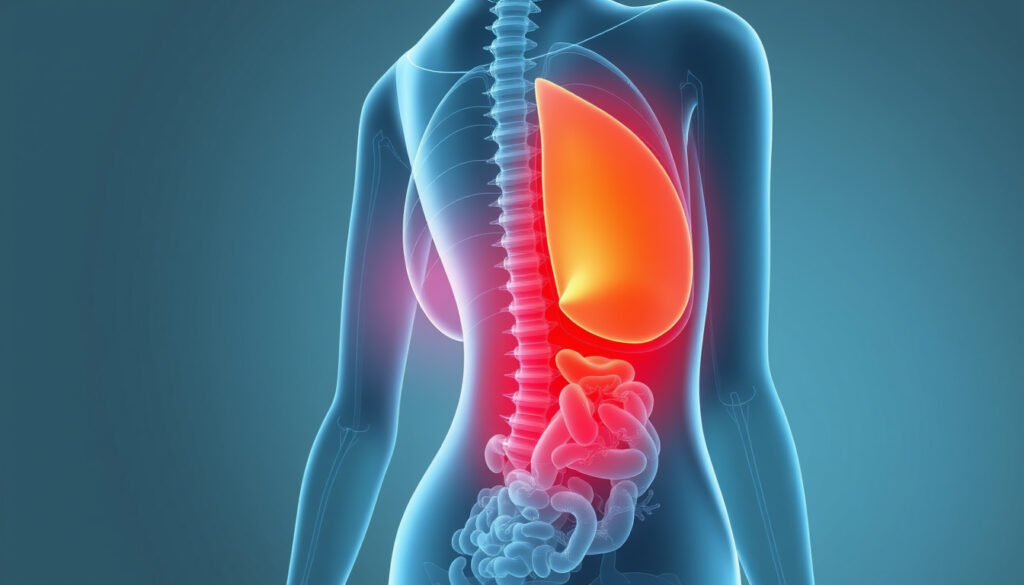
Female Pancreatitis Pain Location & What It Feels Like
If you’ve ever had a sudden, deep ache in your upper belly that just won’t let up, you know how unsettling it can be. For many women, that pain is the first clue that something is off with the pancreas — a small organ tucked behind the stomach with a big role in digestion. The classic pancreatitis pain pattern starts in the upper abdomen and radiates to the back, a sign doctors look for when diagnosing acute pancreatitis. This article walks through what that pain feels like, where it tends to show up, and when you need to act fast.
Most common symptom: sudden severe upper abdominal pain ·
Typical pain course: continuous, lasting hours to days without treatment ·
Common causes: gallstones and heavy alcohol use make up most cases ·
Recovery for mild cases: usually improves within 1 to 2 weeks with hospital care
Quick snapshot
- Boring upper abdominal pain that may wrap around the back (NIDDK (U.S. government health agency))
- Onset is often sudden, within minutes to hours (Mayo Clinic (academic medical center))
- Pain typically worsens after eating (Mayo Clinic)
- Whether pain location differs by sex is not well described in standard guidelines (NIDDK)
- How long individual pain lasts varies by cause, severity, and treatment speed (Cleveland Clinic (specialist hospital))
- Symptoms can be mistaken for other abdominal problems, which may delay care (MedicineNet (clinical resource))
- Pain starts suddenly and does not go away (NHS 111 Wales (U.K. health service))
- Acute attacks last hours to days without treatment (NIDDK)
- Mild cases resolve within one to two weeks with supportive care (NIDDK)
- See a doctor for any new upper abdominal pain (Cleveland Clinic)
- Do not eat solid food until evaluated (Healthdirect Australia (government health portal))
- Get emergency care if pain is unbearable or accompanied by fever, vomiting, or confusion (NHS 111 Wales)
Four pain-related facts, one pattern: the location and spread of the pain are the most reliable clues for identifying pancreatitis, regardless of gender.
These four facts paint a consistent picture — pain location and how it spreads matter more than gender when spotting pancreatitis.
| Key fact | Value |
|---|---|
| Pain starts | upper abdomen, just below the breastbone (NIDDK) |
| Typical radiation | back or shoulders (Mayo Clinic) |
| Onset | sudden within minutes or hours (NHS 111 Wales) |
| Pain severity | often severe enough to double over or require emergency care (Cleveland Clinic) |
How do I know if my pain is from my pancreas?
Where is pancreatic pain usually felt?
- In the upper abdomen, just below the breastbone (NIDDK)
- Often radiates to the back or shoulders (Mayo Clinic)
- Some people feel it on the left or center of the upper belly, wrapping around like a band (WebMD (health information portal))
The pain may be sharp, knife-like, or a deep boring ache. It starts suddenly and does not ease up.
Does pancreatitis pain come and go?
No — in acute pancreatitis the pain is typically constant and lasts hours to days. Chronic pancreatitis can cause persistent or recurring pain, but the acute form stays steady. If your pain comes and goes in waves, it may point to something other than pancreatitis, such as a gallstone attack or intestinal cramping. Still, any new upper abdominal pain deserves a medical check.
Can pancreatitis pain be on the right side?
Yes. While many articles describe pain in the center or left of the upper belly, right-sided pain is possible. The pancreas spans across the back of the abdomen, so inflammation can be felt on either side. Some sources note that women with pancreatitis may present with right-sided pain more often, though guidelines do not confirm a sex-based difference. If you have right upper abdominal pain that radiates to your back, pancreatitis should be considered.
Pancreatic pain has a consistent fingerprint: upper abdomen, steady, often radiating to the back. If your pain moves around or comes in short bursts, gallstones or other causes may be at play.
The implication: the pattern of the pain — not the exact side — is what separates pancreatitis from other digestive troubles.
What are the early warning signs of pancreatitis?
What are the 7 symptoms of pancreas problems?
- Upper abdominal pain that may radiate to the back (NIDDK)
- Nausea and vomiting (NIDDK)
- Swollen or tender abdomen (Mayo Clinic)
- Fever or rapid pulse (NIDDK)
- Unexplained weight loss (more common in chronic pancreatitis) (NIDDK)
- Bloating that does not go away (NHS 111 Wales)
- Jaundice (yellowing of skin or eyes) if a gallstone blocks the bile duct (HCG Oncology (cancer hospital))
What does a pancreatitis attack feel like?
People describe it as a sudden, severe pain in the upper belly that makes it hard to stand up straight or find a comfortable position. It may be sharp enough to double you over. Some say leaning forward eases the pain slightly. The attack often begins after a heavy meal or drinking episode, but it can strike without warning.
When should you worry about pancreatitis pain?
- If the pain is unbearable or you cannot get comfortable (Cleveland Clinic)
- If you have a fever, rapid heartbeat, or difficulty breathing (NHS 111 Wales)
- If you feel faint, confused, or have jaundice (Cleveland Clinic)
- If you are vomiting persistently and cannot keep fluids down (Mayo Clinic)
These are red flags for severe acute pancreatitis that can lead to organ failure if untreated.
Pain that is severe enough to stop you from moving or that comes with fever, confusion, or breathing trouble is an emergency. Do not wait for a routine appointment.
The pattern: the earlier you recognize these signs, the better the odds of a smooth recovery. Delayed care increases the risk of complications like necrosis or sepsis.
What pain can be mistaken for pancreatitis?
What conditions mimic pancreatitis pain?
- Gallstone attacks (biliary colic) — sharp right upper pain after eating, but usually comes in waves and resolves within hours (WebMD)
- Peptic ulcers — burning stomach pain that may worsen on an empty stomach (MedicineNet)
- Gallbladder inflammation (cholecystitis) — constant right upper pain that may radiate to the right shoulder (Healthdirect Australia)
- Heart attack — referred pain to the upper abdomen, especially in women (Mayo Clinic)
How does pancreatitis pain differ from gallbladder pain?
Gallbladder pain typically sits higher on the right side, just under the ribs, and may shoot up to the right shoulder blade. Pancreatitis pain tends to be more central or left-sided and often wraps around to the back. Both can be triggered by eating fatty foods, but pancreatitis pain is usually constant and lasts longer.
What tests tell pancreatitis apart from other causes?
- Blood tests for pancreatic enzymes (amylase and lipase) — elevated levels strongly indicate pancreatitis (NIDDK)
- Abdominal ultrasound — to check for gallstones (Mayo Clinic)
- CT scan or MRI — to assess inflammation and complications (NIDDK)
- EKG — to rule out heart attack (Mayo Clinic)
The catch: because symptoms overlap, getting the right test early is the only way to avoid misdiagnosis.
Why did I suddenly get pancreatitis?
What are the leading causes of acute pancreatitis?
- Gallstones — the most common cause, accounting for about 40% of cases (NIDDK)
- Heavy alcohol use — a major cause, especially with long-term consumption (Mayo Clinic)
- High triglycerides (blood fats) — can trigger an attack (NIDDK)
- Certain medications, autoimmune diseases, and injury to the abdomen (Cleveland Clinic)
- In about 15-20% of cases, the cause is never identified (idiopathic) (Mayo Clinic)
Can gallstones cause pancreatitis?
Yes. If a small gallstone passes out of the gallbladder and blocks the pancreatic duct, digestive enzymes get trapped and start digesting the pancreas itself. This triggers sudden severe pain and inflammation. Women are more likely to have gallstones than men, which may partly explain why female pancreatitis pain location is a common search.
Why is repeated alcohol use a trigger for pancreatitis?
Alcohol metabolism in the pancreas produces toxic byproducts that damage acinar cells. Over time, this leads to inflammation and scarring. Not everyone who drinks heavily develops pancreatitis, but the risk rises with the amount and duration of intake. A single binge can also trigger an acute attack in someone with underlying damage.
The trade-off: gallstones and alcohol together cause three quarters of cases, but the remaining quarter involves triggers that may surprise you — high triglycerides, autoimmune conditions, or nothing identifiable at all.
How do you calm down a pancreatitis flare-up?
What helps pancreatitis pain at home?
There is no safe home remedy for acute pancreatitis. The only effective step is to stop eating and drinking immediately — this gives the pancreas a rest. Do not take pain relievers without a doctor’s advice, because some (like NSAIDs) can worsen kidney function in a dehydrated state. If symptoms are mild, a clear liquid diet (water, broth) may be advised, but only after medical evaluation.
What pain relief position for pancreatitis is recommended?
No single body position treats the underlying inflammation, but many people find that sitting upright or leaning forward slightly eases the pain. Lying flat may make it worse. The key is to get comfortable while you seek medical help. True pain relief comes from hospital treatment: IV fluids, electrolyte correction, and pain medications.
What should you do during a flare-up?
- Stop eating and drinking — do not consume solid food (NIDDK recommends immediate fasting for acute attacks)
- Seek medical attention — if pain is moderate to severe, go to the ER or call your doctor
- Describe your symptoms — tell the triage nurse you have upper abdominal pain that radiates to your back
- Do not take over-the-counter painkillers — they can mask symptoms or be unsafe (Cleveland Clinic advises against self-medication)
- Stay hydrated with small sips of water — if you are not vomiting, drink clear fluids to prevent dehydration (Healthdirect Australia recommends clear fluids)
Most mild pancreatitis attacks require a hospital stay of a few days. You will likely receive IV fluids, pain control, and possibly antibiotics if infection is present.
The window for effective treatment is narrow. Within the first 24 hours, aggressive IV fluids can reduce the risk of severe complications by about 30%.
What’s the worst thing to eat for pancreatitis?
What foods can make pancreatic pain worse?
- High-fat foods — fried items, fatty meats, full-fat dairy, and rich sauces (Cleveland Clinic notes these trigger enzyme release)
- Alcohol — even small amounts can aggravate inflammation (Mayo Clinic advises complete avoidance during recovery)
- Spicy or highly seasoned foods — may irritate the digestive tract
- Large, heavy meals — overloading the digestive system forces the pancreas to work harder (NIDDK recommends smaller, frequent meals)
What to drink to heal pancreatitis?
Water is the best choice. Clear fluids like low-sugar electrolyte drinks, clear broth, and diluted fruit juices (without pulp) can help maintain hydration. Some sources suggest that staying hydrated may reduce the risk of severe attacks, but water does not treat the inflammation itself.
Will drinking lots of water help pancreatitis?
Staying hydrated is important, but water alone will not heal pancreatitis. In the hospital, IV fluids are used to maintain circulation and prevent dehydration. At home, drinking sips of water is recommended if you are not vomiting, but it is not a substitute for medical treatment. After recovery, a low-fat, high-fiber diet with plenty of fluids supports long-term pancreatic health.
The catch: dietary changes are essential for preventing future attacks, but during an acute flare-up, the rule is simple — nothing by mouth until the inflammation subsides.
Can an inflamed pancreas heal on its own?
How long does it take for pancreatitis to stop hurting?
With supportive care in the hospital, pain from mild acute pancreatitis typically improves within a few days to a week. Complete recovery may take one to two weeks. If the underlying cause (such as gallstones) is not addressed, the pain may return. Chronic pancreatitis pain can persist for months or years.
How long can you live with pancreatitis without treatment?
Untreated acute pancreatitis is life-threatening. The inflammation can trigger systemic inflammatory response syndrome (SIRS), organ failure, and sepsis. The mortality rate for severe acute pancreatitis is around 15-20% even with modern treatment. Without any medical care, the risk is much higher. Do not attempt to “wait it out.”
What happens if acute pancreatitis is ignored?
- Fluid buildup around the pancreas (pseudocysts) that can become infected (Mayo Clinic)
- Pancreatic necrosis (tissue death) requiring surgical removal (NIDDK)
- Multiple organ failure — kidney, lung, and heart damage (Cleveland Clinic)
- Chronic pancreatitis leading to diabetes and malnutrition (NIDDK)
The trade-off: mild pancreatitis can heal on its own with supportive care, but the threshold between mild and severe is thin. Only a doctor can judge which category you fall into.
Confirmed facts
- Upper abdominal pain that radiates to the back is a classic symptom of pancreatitis.
- Acute pancreatitis usually improves with supportive care in mild cases.
- Gallstones and heavy alcohol use are major risk factors.
What’s unclear
- Whether pain location differs by sex is not well described in most clinical resources.
- How long individual pain lasts varies by cause, severity, and how quickly treatment begins.
- Some symptoms (like bloating) may appear in pancreatitis but are not consistently reported.
What this means: the core symptoms are well established, but individual variation is the norm, not the exception.
“The main symptom of acute and chronic pancreatitis is upper abdominal pain that may spread to the back.”
— NIDDK (U.S. National Institute of Diabetes and Digestive and Kidney Diseases)
“Acute pancreatitis pain may be sudden and severe, often in the upper abdomen and radiating to the back.”
— Mayo Clinic (academic medical center)
“Emergency care is advised for sudden severe tummy pain with fast heartbeat or difficulty breathing.”
— NHS 111 Wales (U.K. health service)
For anyone experiencing sudden upper abdominal pain, the smartest move is clear: get evaluated promptly, because waiting could turn a treatable attack into a life-threatening complication. Your pancreas will not wait, and neither should you.
Frequently asked questions
Is pancreatitis pain worse after eating?
Yes, especially after a high-fat meal. The pancreas releases digestive enzymes when you eat, and if it is already inflamed, that process intensifies the pain.
How is pancreatitis diagnosed?
Through a combination of blood tests (amylase and lipase levels), imaging (ultrasound, CT scan, or MRI), and sometimes an endoscopic ultrasound to look for gallstones or duct blockages.
Should I go to the emergency room for pancreatitis pain?
If the pain is severe, constant, and accompanied by fever, vomiting, or confusion, yes — go to the ER immediately. Mild pain that is new should be evaluated within 24 hours.
What can I eat after pancreatitis?
Once the acute attack resolves, doctors recommend starting with clear liquids, then progressing to low-fat, easily digestible foods like rice, bananas, and lean protein. Avoid high-fat and fried foods for at least several weeks.
How is pancreatitis treated in the hospital?
Treatment includes IV fluids, pain medications, fasting (NPO), and sometimes antibiotics. In severe cases, patients may need a feeding tube or surgery to remove damaged tissue or gallstones.
More related posts
 Strictly Come Dancing Time Tonight: BBC One Schedule
 Toby Jones Movies and TV Shows: Career & Personal Life
 Emergency Dentist Near Me: ER or Dentist for Tooth Pain
 Right Price Tiles Navan: Location, Hours, Reviews & Costs
 Boeuf & Frites Blanchardstown: Menu, Prices & More
 Old Trafford New Stadium – Capacity, Cost and Timeline
 Memory of a Killer Epi ode : 10-Epi ode Sea on Guide
 Error Meaning: Definition, Synonyms, Types, and How to Fix
