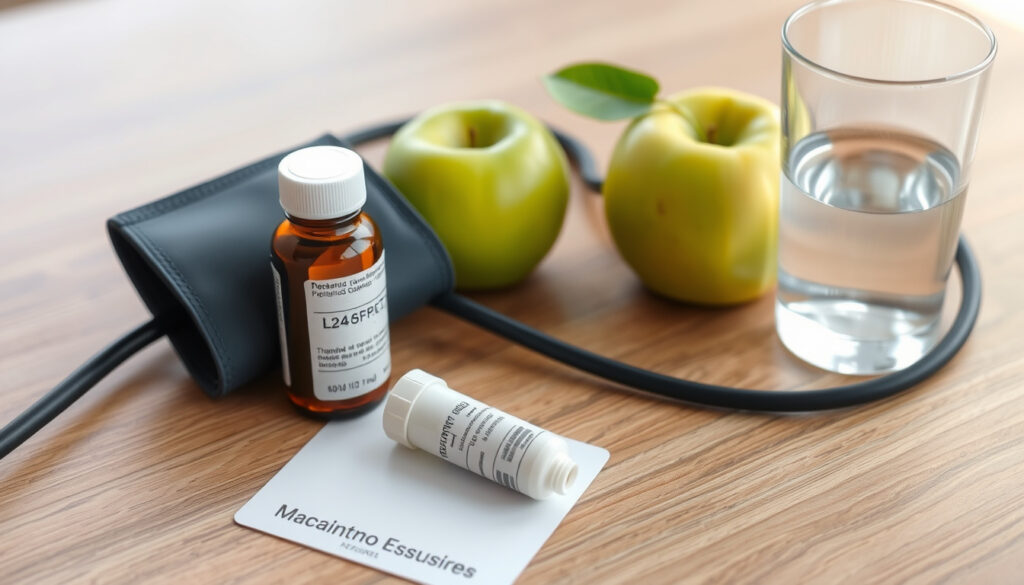
High Blood Pressure Treatment: What Actually Works
If you’ve ever watched your blood pressure reading creep up and wondered what actually works, you’re not alone. Nearly half of U.S. adults have high blood pressure, yet only one in four have it under control, according to the CDC (public health agency).
Adults with high blood pressure in the US: Nearly 47% (CDC) ·
Percentage with controlled hypertension: Only 1 in 4 (CDC) ·
Systolic BP reduction from 10-pound weight loss: 5–20 mmHg (Mayo Clinic) ·
DASH diet systolic BP reduction: 8–14 mmHg (NHLBI) ·
Reduction from 30 minutes of daily exercise: 4–9 mmHg (AHA)
Quick snapshot
- Lifestyle changes (diet, exercise, weight loss) lower blood pressure (Mayo Clinic)
- Medications like ACE inhibitors, ARBs, and CCBs are effective (2025 AHA/ACC Guideline)
- Sodium reduction to <1500 mg/day reduces BP (AHA)
- DASH diet lowers systolic BP by 8–14 mmHg (NHLBI)
- Effectiveness of the “7 second trick” and “60 second trick” – no robust evidence
- Role of specific supplements (e.g., garlic, fish oil) in long-term BP control
- Optimal combination of medications for all patient subgroups
- WHO published pharmacological hypertension treatment guideline on August 24, 2021 (WHO (global health authority))
- 2025 AHA/ACC guideline reaffirms treatment goal of <130/80 mm Hg for most adults (AHA/ACC Guideline)
- More emphasis on early treatment to prevent heart attack, stroke, and cognitive decline (AHA Newsroom)
- Home monitoring and lifestyle coaching will play bigger roles in management (AHA Newsroom)
Six blood pressure categories, one pattern: the lower your target, the more aggressive your prevention needs to be.
| Category | Systolic (mm Hg) | Diastolic (mm Hg) |
|---|---|---|
| Normal | <120 | <80 |
| Elevated | 120–129 | <80 |
| Stage 1 Hypertension | 130–139 | 80–89 |
| Stage 2 Hypertension | ≥140 | ≥90 |
| Hypertensive Crisis | ≥180 | ≥120 |
| Common first-line medications | ACE inhibitors, ARBs, CCBs, thiazide diuretics | |
How to decrease blood pressure?
Lose extra weight and watch your waistline
- Losing 5–10% of your body weight can lower systolic BP by 5–20 mmHg (Mayo Clinic (leading medical center))
- Carrying too much weight around the waist increases risk; men should aim for waist <40 inches, women <35 inches
Eat a heart-healthy diet (DASH)
- The DASH diet reduces systolic BP by 8–14 mmHg (NHLBI (U.S. lung, blood, and heart institute))
- Focus on fruits, vegetables, whole grains, low-fat dairy, and lean protein
Reduce sodium intake
- Cutting sodium to 1,500 mg/day lowers BP by 5–6 mmHg (American Heart Association (heart health authority))
- Avoid processed foods, check labels, and use herbs instead of salt
Exercise regularly
- 30 minutes of moderate exercise most days lowers BP by 4–9 mmHg (AHA (cardiovascular guidelines body))
- Brisk walking, cycling, swimming, or jogging all count
Lifestyle changes are the most powerful first step, but they require consistency. For most people, weight loss and DASH diet together can match the effect of a single medication.
The implication: If you stick with these changes for 3–6 months, you may avoid needing medication altogether — especially if your BP is only mildly elevated.
Which is the best treatment for high blood pressure?
First-line medications: ACE inhibitors, ARBs, CCBs, diuretics
- ACE inhibitors and ARBs are first-line for most patients (2025 AHA/ACC Guideline (U.S. cardiology consensus))
- Calcium channel blockers are especially effective for older adults and African Americans
- Thiazide diuretics are often used in combination therapy
- Beta-blockers are no longer first-line unless the patient has specific conditions like heart failure
Combination therapy often needed
- Most patients require at least two drugs to reach goal (Harvard Health Publishing (academic medical publisher))
- Starting with a single-pill combination can improve adherence
Choosing the right drug based on patient profile
- Patients with diabetes or CKD benefit from ACE inhibitors or ARBs first
- The 2025 AHA/ACC guideline recommends medication for primary prevention when 10-year CVD risk is ≥10% and BP is ≥130/80 (AHA/ACC Guideline)
Five drug classes, one trade-off: efficacy vs. side effects. The best treatment is the one you’ll actually take.
| Drug Class | Mechanism | Common Examples | Common Side Effects | Considerations |
|---|---|---|---|---|
| ACE inhibitors | Blocks angiotensin II production | Lisinopril, Enalapril | Dry cough, elevated potassium | First-line for diabetes, CKD |
| ARBs | Blocks angiotensin II receptors | Losartan, Valsartan | Dizziness, rare cough | Alternative if ACE cough is intolerable |
| Calcium channel blockers | Relaxes blood vessels | Amlodipine, Nifedipine | Swelling, constipation | Good for older adults, African Americans |
| Thiazide diuretics | Reduces fluid volume | Chlorthalidone, HCTZ | Low potassium, increased uric acid | Often used in combination |
| Beta-blockers | Reduces heart rate/output | Metoprolol, Atenolol | Fatigue, cold extremities | Reserved for heart failure, post-MI |
The 2025 AHA/ACC guideline makes it clear: treatment should start early, especially for those with diabetes, CKD, or high CVD risk. Waiting until BP is 160/100 is no longer acceptable.
How can I bring my blood pressure down very quickly?
Deep breathing exercises
- Slow, deep breathing (5 seconds inhale, 5 seconds exhale) can lower BP temporarily by activating the vagus nerve
- Practice for 5 minutes during a stressful moment
Cold water immersion
- Splashing cold water on your face can trigger the mammalian dive reflex, which slows heart rate and lowers BP
- This is a temporary effect, not a substitute for treatment
Relaxation techniques
- Progressive muscle relaxation, meditation, or listening to calming music can lower BP by 5–10 mmHg in the short term
- These work best when combined with long-term lifestyle changes
When to seek emergency care
- A reading of 180/120 or higher with symptoms (chest pain, shortness of breath, vision changes) is a hypertensive crisis — call 911
- No “quick trick” replaces emergency medical attention
Viral “7 second trick” and “60 second trick” lack scientific backing. At best, they offer placebo-level relief. At worst, they delay life-saving treatment.
What this means: Quick-relief techniques are helpful for acute stress, but they don’t treat chronic hypertension. You need a plan, not a party trick.
What drink calms down blood pressure?
Beetroot juice
- Rich in nitrates, which convert to nitric oxide and relax blood vessels (AHA Newsroom (heart health news source))
- Can lower systolic BP by 4–5 mmHg within a few hours
Hibiscus tea
- Shows modest BP-lowering effects in small studies, but evidence is limited
- Contains anthocyanins that may support blood vessel health
Low-fat milk
- Skim milk and low-fat dairy are part of the DASH diet
- Calcium and vitamin D may help regulate BP
Water and hydration
- Dehydration can raise BP; adequate water intake is important
- Limit sugary drinks and alcohol, which can spike BP
The pattern: None of these drinks are magic bullets, but swapping sugary sodas for beetroot juice or hibiscus tea can be a small win toward a better diet.
Should I be worried if my blood pressure is 150/100?
Understanding blood pressure categories
- 150/100 is stage 2 hypertension according to the 2017 ACC/AHA Guideline (U.S. cardiology classification)
- This means your BP is consistently above 140/90 and requires medical attention
When to see a doctor
- Persistent readings above 140/90 require treatment — lifestyle changes alone may not be enough
- If you have diabetes, kidney disease, or heart disease, start medication as soon as BP hits 130/80
Immediate steps to take
- Confirm with multiple measurements at different times of day
- Schedule an appointment with your GP within a week
- If you have symptoms (headache, shortness of breath, chest pain), seek emergency care
A single high reading doesn’t mean hypertension — but repeated readings of 150/100 mean you can’t afford to wait. The 2025 AHA/ACC guideline recommends starting medication for most adults at this level.
The implication: Don’t panic after one reading, but do take action. Early treatment prevents the cascade of damage to your heart, brain, and kidneys.
Upsides
- Lifestyle changes are free and have no side effects
- Medications are highly effective when taken as prescribed
- Combination therapy can achieve goal BP in most patients
- Home monitoring gives you real-time feedback
Downsides
- Lifestyle changes require sustained effort and may not be enough
- Medications can cause side effects (cough, swelling, fatigue)
- Finding the right drug combination can take time
- Viral “quick fixes” create false hope and delay real treatment
How to lower blood pressure naturally: a step-by-step plan
- Measure accurately: Use a validated home monitor, sit quietly for 5 minutes, and take readings at the same time each day.
- Start with diet: Adopt the DASH diet — reduce sodium to 1,500 mg/day, eat more fruits and vegetables, and choose whole grains.
- Move more: Aim for 30 minutes of moderate exercise at least 5 days per week. Brisk walking counts.
- Lose weight if needed: Losing just 5–10% of body weight can drop systolic BP by 5–20 mmHg.
- Limit alcohol and quit smoking: Alcohol raises BP; smoking damages blood vessels.
- Manage stress: Practice deep breathing, meditation, or yoga daily.
- Take medication as prescribed: If your doctor prescribes a drug, take it consistently. Never stop without consulting them.
- Follow up regularly: See your GP every 3–6 months to adjust treatment as needed.
For more on building a healthy diet, check out our guide to Foods High in Iron — a key nutrient for heart health. And if you need a GP visit, learn how to apply for a GP Visit Card in Ireland to access affordable care.
“Losing even a modest amount of weight — 5 to 10 pounds — can lower your blood pressure. And it’s not just about the scale: cutting sodium, eating a DASH diet, and getting regular exercise all work together.”
— Mayo Clinic (leading U.S. medical center)
“First-line therapy for most adults with hypertension includes an ACE inhibitor, an angiotensin II receptor blocker, a calcium channel blocker, or a thiazide diuretic.”
— 2025 AHA/ACC Guideline (U.S. cardiology authorities)
“Most patients with hypertension will need at least two medications to achieve their blood pressure goal. Combination therapy is the norm, not the exception.”
For patients in Ireland, the choice is clear: combine lifestyle changes with medication under GP guidance, or face increased risk of stroke and heart disease. The Irish health system offers free GP visits for those with a GP Visit Card — use it to get your blood pressure checked regularly.
pmc.ncbi.nlm.nih.gov, aafp.org, aafp.org, iris.who.int, nice.org.uk, acc.org, ahajournals.org, ahajournals.org, academic.oup.com
Frequently asked questions
What is the normal blood pressure range?
Normal BP is below 120/80 mm Hg. Elevated is 120–129/<80. Stage 1 hypertension is 130–139/80–89. Stage 2 is 140/90 or higher. (2017 ACC/AHA Guideline)
Can stress cause high blood pressure?
Yes, acute stress can temporarily raise BP. Chronic stress may contribute to unhealthy habits that raise BP, but it’s not a direct cause of sustained hypertension.
Is it safe to exercise with high blood pressure?
Yes, exercise is recommended. However, if your BP is above 180/110, avoid heavy lifting and consult your doctor first. Moderate aerobic exercise is safe for most people with controlled hypertension.
How often should I check my blood pressure?
If you have hypertension, check it at home at least once a day, at the same time each day. If your BP is well controlled, a few times a week is enough. (AHA (heart health guidelines))
Can high blood pressure be cured permanently?
In most cases, hypertension is a chronic condition that requires lifelong management. Some people can control it with lifestyle alone, but if medication is needed, it’s usually for life.
What foods should I avoid with high blood pressure?
Avoid processed foods high in sodium, sugary drinks, red meat, and full-fat dairy. Limit alcohol and caffeine if they raise your BP. Stick to the DASH diet.
Does caffeine raise blood pressure?
Caffeine can cause a temporary spike of 5–10 mmHg, but regular coffee drinkers often develop tolerance. If you’re sensitive, limit coffee to 1–2 cups per day.
Are there natural supplements that lower blood pressure?
Some studies suggest garlic, fish oil, and coenzyme Q10 may have modest effects, but evidence is not strong enough to recommend them as a replacement for medication or lifestyle changes. (Harvard Health Publishing)
More related posts
 Best Board Games for Families 2025: Top Picks & Buying Guide
 Auto Insurance in Ireland: Compare Rates & Save
 Oasis Tickets Dublin Resale: How to Buy Safely in 2026
 Non-Surgical Cosmetic Procedure – 2025 Costs, Safety, Options
 Flights from Cork to Lanzarote: Ryanair vs Aer Lingus
 Bantry Bay Golf Club: Green Fees, Tee Times, Reviews & Location
 How Much Is My Car Worth in Ireland? Free Valuation Guide 2025
 Ireland Ladies Soccer Match Today: Time, TV & Live Stream
