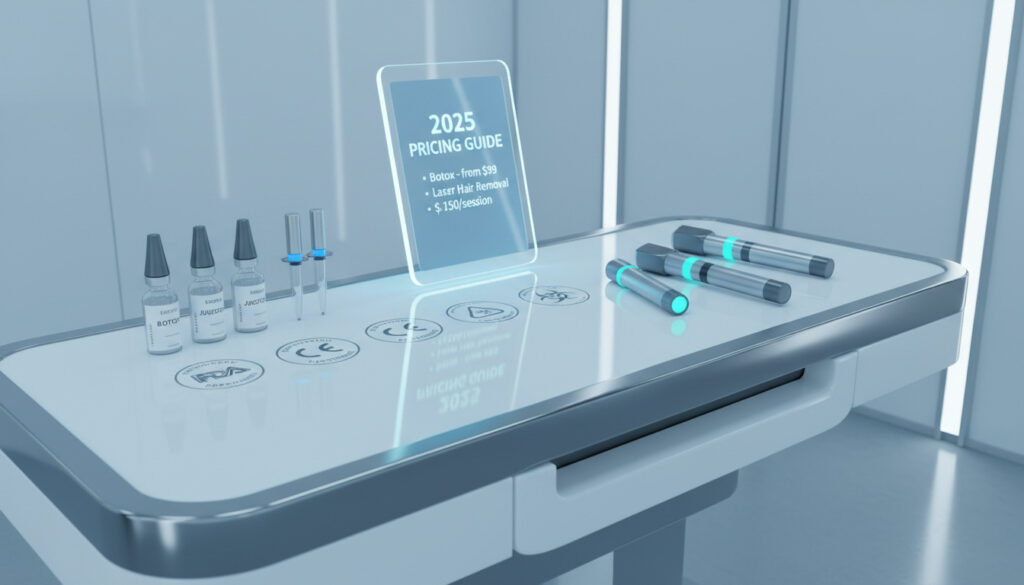
Non-Surgical Cosmetic Procedure – 2025 Costs, Safety, Options
Non-surgical cosmetic procedures dominated the aesthetics industry in 2025, marking a decisive shift toward science-backed treatments that deliver effective results without surgery or extended recovery periods. Consumer preferences evolved rapidly as patients became increasingly educated about invasive methods and sought alternatives offering natural-looking enhancements.
Demand surged across all demographics for minimally invasive options that fit modern lifestyles. These procedures eliminated the risks associated with general anesthesia while providing customizable solutions for facial balancing, body contouring, and skin rejuvenation.
The market now encompasses everything from neurotoxin injections to advanced regenerative therapies using biological materials. This evolution reflects broader cultural acceptance of aesthetic maintenance as preventative healthcare rather than vanity intervention.
What Are Non-Surgical Cosmetic Procedures?
Core Definition
Minimally invasive treatments using injections, lasers, and energy devices to enhance appearance without surgical incisions.
Leading Options
Botulinum toxin, hyaluronic acid fillers, and microneedling represent the most requested treatments.
Price Range
Investment typically spans $300 to $2,000 per session depending on treatment area and complexity.
Longevity
Results maintain effectiveness between 3 and 24 months based on specific modality and individual physiology.
Key Market Insights
- Botulinum toxin remains the dominant treatment with millions of annual procedures performed nationwide.
- Recovery periods range from zero downtime to one week depending on intensity and invasiveness.
- All procedures operate under FDA regulation, though practitioner expertise ultimately determines safety outcomes.
- Combination therapies utilizing multiple complementary modalities increased significantly year-over-year.
- Younger patient demographics increasingly adopt “prejuvenation” strategies to delay visible aging signs.
- Skin resurfacing treatments specifically experienced a six percent growth surge between 2023 and 2024.
- Consumer preference shifted definitively toward subtle, natural-looking enhancements rather than dramatic transformations.
Procedure Comparison
| Procedure | Average Cost | Duration | Downtime |
|---|---|---|---|
| Botulinum Toxin | $400 | 3-6 months | None |
| Hyaluronic Acid Fillers | $800 | 6-18 months | 1 day |
| Chemical Peels | $150 | 1-6 months | 2-7 days |
| Cryolipolysis | $1,200 | Permanent* | None |
| Radiofrequency Microneedling | $1,000 | 12+ months | 1-3 days |
| PRP/PRF Therapy | $600 | 6-12 months | 1 day |
| BodyTite/FaceTite | $2,500 | 2-5 years | 3-5 days |
| Laser Resurfacing | $1,500 | Years | 3-7 days |
| Morpheus8 with Polynucleotides | $900 | 6-12 months | 2-3 days |
| Non-surgical Fat Reduction | $1,400 | Permanent* | None |
*Requires stable weight maintenance for permanent results
What Is the Most Popular Non-Surgical Cosmetic Procedure?
Research published in PubMed identifies the five most popular non-surgical procedures in 2025 as botulinum toxin, hyaluronic acid injections, hair removal, chemical peels, and nonsurgical fat reduction. These treatments attracted millions of patients seeking effective results without operative risks.
Injectables and Facial Balancing
Botulinum toxin and dermal fillers maintained their position as foundational aesthetic treatments throughout 2025. Industry reports indicate that fillers increasingly served non-surgical facial balancing procedures including liquid rhinoplasty, jawline definition, and temple volume restoration. These modalities offer immediate visual improvements with reversible outcomes, appealing to patients wary of permanent surgical alterations.
Energy-Based Contouring
Radiofrequency-assisted procedures emerged as high-demand options for patients seeking dual-action fat reduction and skin tightening. Clinical data shows that BodyTite and FaceTite technologies utilize radiofrequency energy to dissolve adipose tissue while simultaneously tightening connective tissue. Radiofrequency microneedling similarly combined collagen induction with thermal energy to address laxity and acne scarring across diverse skin types.
Patients increasingly choose combination therapies that pair neurotoxins with fillers or microneedling with radiofrequency to achieve comprehensive rejuvenation. These multi-modal approaches deliver longer-lasting outcomes than single-treatment protocols while maintaining natural movement and expression.
Are Non-Surgical Cosmetic Procedures Safe?
Non-surgical procedures generally demonstrate safer profiles than surgical alternatives, particularly when administered by qualified practitioners. Safety analyses confirm that dermal fillers and injectable treatments maintain strong safety records when proper protocols are followed.
Patient Risk Factors
Specific medical conditions and lifestyle factors elevate complication risks regardless of procedure type. Medical reviews identify smoking, diabetes, obesity, previous surgeries, and certain medications as variables that increase adverse event rates. Comprehensive pre-treatment screening remains essential to identify contraindications.
Regulatory Oversight
The FDA continued its oversight of cosmetic procedure safety throughout 2025, monitoring device efficacy and product integrity. While regulatory frameworks provide baseline protections, practitioners emphasize that provider skill and facility accreditation ultimately determine individual safety outcomes more than device approval status alone.
How Much Do Non-Surgical Cosmetic Procedures Cost?
Economic analyses position non-surgical procedures as more economical than surgical alternatives, primarily due to eliminated facility fees, anesthesia costs, and minimal downtime. Market research indicates that patients increasingly factor hidden costs of surgical recovery—lost wages and extended care—into their financial comparisons.
Recovery Timelines
Downtime varies significantly by modality. Dermal fillers provide immediate results with virtually no recovery period, while cryolipolysis and radiofrequency treatments allow immediate return to daily activities. BodyTite and FaceTite specifically attracted patients seeking minimal recovery periods compared to traditional liposuction or facelifts.
Injectables like botulinum toxin and hyaluronic acid require maintenance treatments to sustain results, while regenerative therapies and energy-based treatments stimulate gradual collagen production that may offer longer-lasting structural improvements. Patients should budget for recurring sessions when calculating long-term investment.
Treatment Longevity
Result duration depends entirely on specific mechanisms of action. Biological treatments using platelet-rich plasma or fibrin show variable longevity based on individual healing responses, whereas fat reduction technologies provide permanent cell elimination contingent upon stable body weight. Comparative studies note that traditional liposuction alternatives like VASER Lipo now offer reduced trauma and faster recovery than older surgical methods.
While specific pricing varies by geographic region and provider expertise, patients should evaluate costs against longevity and risk profiles. Black market products offering discounted rates carry significantly higher complication risks and lack regulatory quality controls.
How Has the Non-Surgical Aesthetic Market Evolved?
The trajectory of non-surgical cosmetics reflects technological innovation and shifting cultural attitudes toward aesthetic maintenance. Key developments established the current landscape.
- : FDA approval of botulinum toxin for cosmetic use established the legitimacy of minimally invasive facial rejuvenation.
- : Hyaluronic acid fillers achieved widespread market penetration, offering reversible volume enhancement options.
- : Pandemic-related restrictions accelerated demand for procedures requiring minimal downtime as patients sought effective treatments compatible with remote work flexibility.
- : Statistical data confirms that skin resurfacing treatments including dermabrasion, chemical peels, and lasers experienced the highest growth rate at six percent annually.
- : Advanced biological therapies including nanofat, exosomes, and AI-personalized treatment protocols emerged as dominant modalities.
What Do We Know for Certain About These Procedures?
Separating established facts from uncertainties helps patients make informed decisions about aesthetic treatments. Medical consensus provides clear guidance on several critical factors.
| Established Facts | Remaining Uncertainties |
|---|---|
| FDA-approved options demonstrate safety when administered by board-certified providers | Individual longevity varies significantly based on metabolism, lifestyle, and genetic factors |
| Most non-surgical results remain temporary or semi-permanent, with hyaluronic acid fillers specifically offering reversible outcomes | Black market products continue posing serious health risks due to lack of quality control |
| Scarring risk remains minimal compared to surgical alternatives | Allergic reactions, while rare, remain possible even with biocompatible materials |
| Combination therapies consistently outperform single-modality treatments for comprehensive rejuvenation | Long-term effects of emerging biological therapies like exosomes require further longitudinal study |
Why Did Non-Surgical Procedures Dominate the 2025 Aesthetic Market?
The shift toward minimally invasive aesthetics reflects broader cultural and technological forces reshaping healthcare preferences. Market analyses reveal that consumers increasingly view aesthetic maintenance as preventative care rather than corrective intervention, driving demand for subtle, gradual improvements.
Social media visibility and digital communication platforms amplified awareness of treatment options while normalizing aesthetic procedures across demographics. The accessibility of non-surgical options—requiring no general anesthesia or extended facility stays—aligned with post-pandemic preferences for efficiency and minimal disruption.
Scientific advancement played a crucial role, with emerging biological treatments like polynucleotides and platelet-rich fibrin offering regenerative capabilities previously achievable only through surgical intervention. These innovations allowed practitioners to address volume loss, skin laxity, and textural concerns without incisions.
What Do Leading Medical Sources Say?
Authoritative perspectives from medical institutions and research organizations validate the safety and efficacy trends observed in 2025.
Between 2023 and 2024, skin resurfacing treatments such as dermabrasion, chemical peels, and lasers experienced the highest growth rate of six percent.
— Statista Medical Aesthetics Report
Platelet-Rich Fibrin, which contained a slower-releasing matrix of growth factors than PRP, was used more widely in 2025 for deeper regenerative effects.
— Aesthetic Medicine Review
What Should Patients Consider Before Treatment?
Selecting appropriate non-surgical cosmetic procedures requires balancing desired outcomes with realistic expectations about longevity, maintenance, and safety. Patients should prioritize consultation with board-certified dermatologists or plastic surgeons, verify FDA approvals for specific devices, and budget for ongoing maintenance sessions. For comprehensive guidance on preparing for these treatments, refer to the Non-Surgical Cosmetic Procedures – 2025 Complete Guide. Those researching broader consumer safety topics might also consult the Frank Ryan Car Sales – Tipperary Location Reviews Guide for unrelated marketplace insights.
Frequently Asked Questions
What specific examples define non-surgical cosmetic procedures?
Primary examples include botulinum toxin injections, hyaluronic acid fillers, chemical peels, microneedling, cryolipolysis, radiofrequency treatments, laser hair removal, and platelet-rich plasma therapy.
How do non-surgical options compare to surgical procedures?
Non-surgical approaches eliminate anesthesia risks, surgical scarring, and extended recovery periods while offering temporary, reversible results. Surgical procedures provide permanent structural changes but require significantly higher investment and downtime.
Which facial procedures deliver optimal results without surgery?
Liquid rhinoplasty using fillers, jawline definition via neurotoxins and fillers, temple volume restoration, and radiofrequency microneedling offer effective facial rejuvenation without operative intervention.
What is the typical recovery timeline after treatment?
Most injectables require zero downtime, while energy-based treatments may involve 1-3 days of mild redness. Skin resurfacing procedures generally require 3-7 days for complete epidermal healing.
Can these procedures be reversed if results are unsatisfactory?
Hyaluronic acid fillers can be dissolved using hyaluronidase enzyme injections. Botulinum toxin effects naturally metabolize within 3-6 months. However, fat reduction and some energy treatments produce permanent changes that cannot be reversed.
At what age should patients consider preventative treatments?
Dermatologists increasingly support “prejuvenation” approaches starting in the late twenties to early thirties, utilizing minimal neurotoxin doses and collagen-stimulating treatments to delay visible aging signs.
Are results immediately visible after treatment?
Fillers provide immediate volume correction, while botulinum toxin requires 3-7 days for full effect. Collagen-stimulating treatments like microneedling and radiofrequency show gradual improvements over 4-12 weeks as new tissue forms.
More related posts
 Laya Healthcare Customer Service: Phone, Hours & More
 Real Madrid vs Villarreal 2026: Preview, Where to Watch
 Premier Inn Near Dublin: Best Locations in City Centre
 Best Exercises for Energy: Boost Your Vitality Naturally
 ASEAN All-Stars vs Man United: Score, Lineups & Reaction
 HSE My Self Service Login, Payslips & Registration Guide
