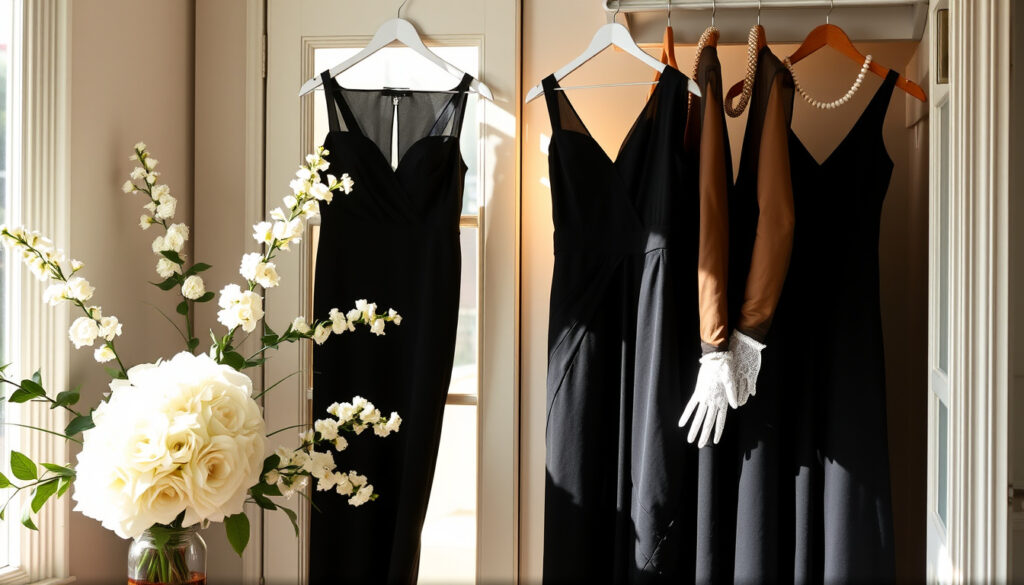
Black Wedding Guest Dress – Etiquette Rules and Styles 2025
The notion that wearing black to a wedding is inappropriate has faded considerably in recent years. Modern etiquette now welcomes the color as a sophisticated, versatile choice for guests navigating formal, semi-formal, and even daytime celebrations. The shift reflects broader changes in how couples approach wedding aesthetics, with many actively embracing dark, moody palettes and black-tie-optional invitations that make black not just acceptable but genuinely stylish. Understanding when and how to wear black as a guest, however, requires attention to a handful of practical details—dress code, venue, season, and a few unwritten rules that still matter in 2025.
This guide covers everything from the current state of wedding etiquette to specific dress recommendations across lengths, fabrics, and budgets. Whether searching for a floor-length gown suited to a formal evening affair or a breezy midi for a summer garden party, the information below is grounded in established fashion guidance and expert consensus gathered from leading wedding publications.
Can You Wear Black to a Wedding as a Guest?
Yes, with elegant styling and appropriate dress code
Midi, maxi, and cocktail lengths
Approximately $50 to $500 depending on brand and occasion
Introduce metallics or texture to prevent an all-black flat look
- Black is no longer a mourning-only color at weddings; current etiquette welcomes it at most celebrations.
- Always avoid wearing white or ivory—those shades are reserved for the bride.
- Check whether bridesmaids are wearing black, and coordinate differently if necessary.
- Skip black entirely at colorful beach or tropical-themed weddings where it may clash with the venue aesthetic.
- Floor-length gowns are expected at black-tie weddings; midi and cocktail lengths suit semi-formal or cocktail codes.
- Add texture through lace, velvet, pleats, or printed fabrics to elevate the look beyond head-to-toe black.
- For religious venues, ensure shoulders are covered using sleeves or a wrap.
| Category | Details |
|---|---|
| Appropriateness | Yes, suitable at modern weddings with few exceptions |
| Best Lengths | Midi and floor-length maxi; avoid mini lengths at formal events |
| Recommended Fabrics | Chiffon, crepe, stretch satin, lace, velvet |
| Avoid At | White/ivory dress codes; tropical-themed venues; if bridesmaids wear black |
| Seasonal Adaptations | Breatheable chiffon for summer; velvet or long sleeves for winter |
| Pattern Options | Black-and-white polka dots, florals, and prints add festive flair |
Understanding the Current Etiquette Rules
The traditional rule against wearing black at weddings stemmed from associations with mourning—a convention that has largely dissolved as fashion culture evolved. According to guidance published by Cosmopolitan and Bella Bridesmaids, black is now widely accepted across most wedding formats, provided it aligns with the stated or implied dress code. The remaining hard-and-fast rule is avoiding any shade that could be confused with the bride’s gown—white, ivory, and cream remain firmly off-limits.
That said, certain scenarios still warrant caution. If the couple’s bridesmaids are dressed in black, a guest wearing the same color risks looking like part of the wedding party. In such cases, the invitation typically clarifies expectations, or a direct, courteous question to the couple resolves the matter quickly. Beach and tropical weddings with vivid color themes present another exception; black can feel incongruous against bright florals and sunlit outdoor settings, according to Azazie’s wedding style guide.
When Black Is Particularly Well Suited
Black performs best at formal evening events, winter celebrations, and ballroom receptions where the lighting and venue already lean dramatic. The Knot’s dress code guidance notes that black-tie weddings essentially expect floor-length gowns in dark hues, making black not just acceptable but expected. Similarly, fall and winter weddings benefit from black’s natural alignment with muted, cool-season palettes, particularly when paired with velvet, brocade, or jewel-toned accessories.
The invitation is the most reliable source for dress code expectations. Black-tie, black-tie optional, semi-formal, or cocktail wording each implies different hem lengths and formality levels. When in doubt, ask the couple directly rather than guessing.
Best Black Wedding Guest Dresses and Styles
Choosing the Right Length by Dress Code
Dress length remains the most immediate factor in getting a black wedding guest look right. Floor-length maxi gowns dominate at black-tie and formal evening weddings, where the dress code explicitly calls for maximum formality. According to Tuxedo by Sarno’s etiquette guide, fabrics like velvet, silk jacquard, brocade, taffeta, and satin work beautifully for these occasions because they carry visual weight appropriate to candlelit ballrooms.
Midi-length dresses occupy the sweet spot for cocktail and semi-formal weddings, offering a polished middle ground that feels dressy without the full commitment of a gown. Azazie’s style guide recommends pleated A-line silhouettes, one-shoulder cuts, and off-the-shoulder designs as particularly effective options for evening city venues. For shorter cocktail lengths, fitted black midi dresses with sequin detailing or structured stretch satin provide enough formality without venturing into evening gown territory.
Mini lengths should be avoided at black-tie and formal weddings regardless of how elegant the rest of the dress appears. Cocktail-length dresses work well at semi-formal or festive evening receptions but can undersell the event at ultra-formal venues.
Seasonal Fabric Recommendations
Fabric choice is inseparable from season and venue. Summer and outdoor daytime events call for breathable materials that prevent overheating while maintaining an elegant appearance. Chiffon is widely cited as a top performer for warm-weather weddings because it flows naturally, resists clinging, and photographs well in natural light. Sleeveless, strapless, and short-sleeve styles in chiffon handle heat effectively, according to Adrianna Papell’s wedding planning blog.
Winter and formal evening weddings shift the focus toward richer, more textured materials. Velvet brings natural depth and a slightly elevated sheen that works particularly well under indoor lighting and artificial illumination. Long-sleeve lace overlays, feather trim details, and structured crepe also perform strongly in cooler months, offering warmth alongside visual sophistication. For multi-season versatility, pleated knit fabrics provide comfort without sacrificing style, as noted in Cosmopolitan’s styling roundup.
Fabrics at a Glance
- Chiffon: Flowy and breathable, ideal for day and summer events
- Crepe and stretch satin: Polished and structured, suited to formal and cocktail settings
- Lace: Adds textured elegance; works with or without sleeves
- Velvet: Rich and warm, best for winter and formal evening occasions
- Pleated knit: Comfortable and flexible, versatile across dress codes
Options for Plus-Size Guests
Plus-size black dresses for weddings benefit most from structured fits that offer support and confidence in equal measure. A-line silhouettes universally flatter by skimming the waist and hips, while lace overlays introduce an element of formal elegance that elevates the overall look. The key, according to Adrianna Papell’s guidance, is prioritizing fit over coverage—a well-tailored dress in any size communicates polish more effectively than an oversized option. Structured necklines, built-in shaping, and strategic seaming are features worth seeking out when shopping for plus-size wedding guest dresses.
Budget-Friendly Options Under $100
Finding a quality black wedding guest dress under $100 requires focusing on versatile silhouettes rather than premium fabrics. Midi and cocktail-length styles in chiffon or ponte knit from accessible brands offer the most flexibility for the price. Seasonal sales at major retailers frequently include lace-trimmed or pleated pieces that satisfy formal and semi-formal requirements without overshooting the budget. Prioritizing a classic silhouette that can be restyled for future events maximizes value beyond a single occasion.
How to Style and Accessorize a Black Wedding Guest Dress
Footwear and Jewelry Choices
Footwear anchors the overall outfit and should correspond to the venue’s formality and the season. Heeled sandals work well at formal evening events, adding height and elegance without appearing overly casual. Dressy flats offer a comfortable alternative for outdoor or all-night receptions where dancing is expected. Minimalist jewelry—thin gold or silver chains, understated stud earrings, and delicate bangles—prevents the outfit from feeling heavy or over-accessorized, as noted by The Knot’s styling tips.
Metallic accessories deserve particular attention when wearing black, because gold, silver, or rose gold accents introduce warmth and visual interest that prevents an all-black look from flattening the appearance. A gold clutch paired with gold strappy heels, for example, transforms a simple black dress into an evening-appropriate ensemble without requiring statement jewelry. This approach also works across seasons—bronze tones suit fall weddings, while silver reads more crisply at winter and formal spring events.
Texture, Patterns, and Visual Interest
A dress composed entirely of matte black fabric can read as flat or underwhelming in photographs, particularly at formal events. Introducing texture through the fabric itself—lace overlays, velvet panels, pleated knits, or jacquard weaves—solves this problem effectively. Alternatively, printed fabrics in black-and-white combinations such as polka dots, abstract florals, or geometric patterns add festive character while remaining wedding-appropriate, according to Cosmopolitan’s styling guidance.
Indoor venues with warm or low lighting can absorb detail from dark fabrics. If the wedding takes place in an evening ballroom or candlelit space, choosing a fabric with a subtle sheen—satin, velvet, or structured crepe—helps the dress read clearly in photos. Outdoor daytime events offer more forgiving lighting where matte fabrics perform equally well.
Outerwear and Seasonal Adaptations
Cold-weather weddings require thoughtful outerwear that complements rather than detracts from a black dress. Elegant wraps in neutral tones, structured black blazers, or velvet coats maintain the formal tone while providing practical warmth. Religious venues with modest dress expectations often require covered shoulders; a stylish shrug or lace cover-up resolves this requirement without compromising the overall aesthetic. For cooler seasons, long sleeves—whether built into the dress or added through a separate piece—keep the look cohesive and appropriately warm, according to Azazie’s wedding style recommendations.
Black Suits as an Alternative
Male guests and those who prefer separates to dresses can achieve an equally polished result with a well-fitted black suit. Fall and winter weddings, evening receptions, and ballroom settings are particularly well suited to dark suiting, as noted in Azazie’s guide. Pairing a black suit with a patterned shirt—subtle checks, small florals, or textured weaves—introduces variation without undermining formality. The suit approach works across the same seasonal range as dresses, with heavier wool or velvet blazers serving winter events and lightweight wool or cotton-blend suits handling warmer shoulder seasons.
The Evolution of Black in Wedding Fashion
Black’s journey from mourning color to wedding staple mirrors broader transformations in wedding culture itself. Historically, Western etiquette reserved black for funerals and somber occasions, making its appearance at celebratory events—particularly weddings—functionally off-limits. As fashion became more expressive and wedding traditions relaxed throughout the 2000s and 2010s, black gradually infiltrated formalwear wardrobes, driven partly by celebrity influence, editorial fashion coverage, and the democratization of wedding aesthetics across socioeconomic lines.
By 2024 and into 2025, black has firmly established itself as a wardrobe anchor for guests across the United States and Western Europe. The shift reflects a larger cultural comfort with neutral, versatile dressing—where black serves as a blank canvas rather than a symbol of anything specific. Cultural variations persist, however. Vibrant tropical themes, certain religious ceremonies with particular symbolic color associations, and intimate celebrations with very traditional families may still view black unfavorably. Confirming expectations with the couple remains the most reliable approach when uncertainty exists.
What Wedding Experts Say
“Black is no longer the color you save for funerals. It is perfectly acceptable for a wedding guest to wear black, provided you follow the dress code and avoid looking like you’re there to mourn.”
— Emily Post Institute, Wedding Attire Guidance
“The only hard rule that remains is white and ivory for the bride. Everything else is fair game if it matches the invitation and makes you feel confident.”
— The Knot, Wedding Guest Dress Code Guidelines
Expert consensus across major wedding publications converges on a few key points: black is no longer taboo, the bride’s gown is the sole non-negotiable color restriction, and confidence in how a dress fits and flatters outweighs any rigid rule about hue. This positions black as one of the most practical and economical choices a guest can make, given how easily the color adapts across seasons, venues, and dress codes.
Summary and Key Takeaways
Black is a thoroughly appropriate, elegant choice for wedding guests in 2025, provided it aligns with the event’s stated dress code and avoids the few remaining color conflicts—most notably the bride’s gown and the bridesmaids’ dresses. Midi and floor-length styles offer the most versatility across formalities, with fabric selection driven by season and venue. Adding texture, metallic accessories, or subtle patterns prevents a flat all-black appearance, while thoughtful footwear and outerwear ensure the look performs across the full event.
Those exploring non-surgical cosmetic options to feel their most confident ahead of a special occasion may find relevant information in our guides to Non-Surgical Cosmetic Procedure – 2025 Costs, Safety, Options and Non-Surgical Cosmetic Procedures – 2025 Complete Guide.
Frequently Asked Questions
Can you wear black to a wedding as a guest?
Yes. Modern etiquette accepts black at most weddings, provided it matches the dress code on the invitation and avoids conflicting with the bride or bridesmaids’ gowns.
Is black appropriate for a wedding guest in 2025?
Absolutely. Black has moved well beyond its historical association with mourning and is now considered a sophisticated, widely accepted choice for wedding guests across all seasons and most dress codes.
Are there specific rules for wearing black to weddings?
The primary rule is to avoid white and ivory, which are reserved for the bride. Additionally, guests should not wear black if it conflicts with the bridesmaids’ dress color. Always check the invitation’s stated or implied dress code for guidance on hem length and formality.
What style of black dress works best for a cocktail wedding?
A midi-length dress in a polished fabric like crepe or stretch satin works well. Fitted black midi dresses with sequin or pleated details also suit cocktail dress codes without approaching evening-gown formality.
What fabrics are best for a black wedding guest dress?
Chiffon suits warm-weather and outdoor events. Crepe and stretch satin serve formal and cocktail settings elegantly. Lace adds texture and elegance across all seasons. Velvet is particularly effective for winter and formal evening weddings.
How can I prevent an all-black outfit from looking flat?
Introduce metallic accessories, textured fabrics like lace or velvet, or printed patterns in black-and-white. The goal is to add visual depth and warmth so the outfit reads as intentional and polished rather than monotonous.
Is black suitable for a daytime or outdoor wedding?
Black can work at daytime events, particularly in breathable fabrics like chiffon with short sleeves or a sleeveless design. However, vibrant tropical or beach-themed weddings with bold color palettes may call for lighter or more colorful options instead.
What shoes should I wear with a black wedding guest dress?
Heeled sandals suit formal evening events. Dressy flats work well for outdoor or longer events where comfort matters. The material and height should complement the dress code and season without introducing visual clashing.
Can a plus-size guest wear a black dress to a wedding?
Yes. Plus-size black dresses with structured fits, A-line silhouettes, or lace overlays offer both elegance and confidence. A well-tailored fit matters more than the specific size range.
Are there budget-friendly black wedding guest dresses under $100?
Versatile midi and cocktail styles in chiffon or knit from accessible retailers offer the best value. Seasonal sales frequently include lace or pleated pieces that satisfy most dress codes without exceeding a $100 budget.
More related posts
 Real Madrid vs FC Barcelona – Head-to-Head Stats and Recent Results
 Blue Lagoon Iceland Christmas Opening Times & Winter Guide
 When Does Wimbledon Start? 2026 Dates, TV & Tickets
 Cast of Barbie (2023) – Full Actors and Characters List
 Shelbourne vs Crystal Palace Lineups: Starting XIs & Stats
 Ireland Child Benefit Changes 2026: Rates & How to Apply
 Travel Restrictions to Canada 2026: Entry Rules and Advisories
 Best Films of 2025: Top Movies Ranked by Critics
